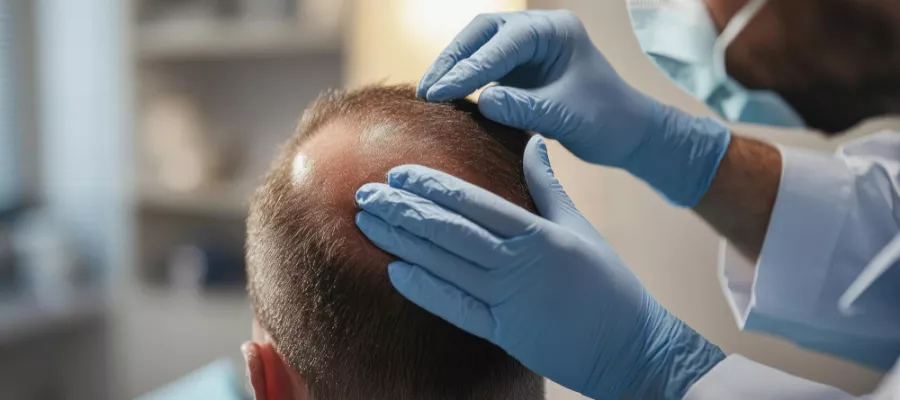

What Is Sapphire Hair Transplant?
Sapphire hair transplant is an advanced version of the FUE method, and channels are opened using sapphire-tipped blades.
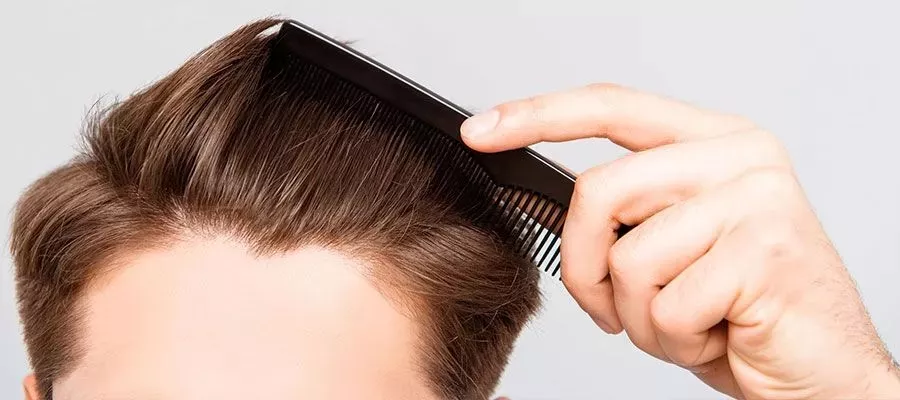
The sapphire tips used in this method are sharper, more durable, and smoother compared to traditional metal slits. This allows micro channels for graft placement to be opened more precisely. Since it creates less tissue trauma, healing time is shorter, infection risk is reduced, and comfort after hair transplant increases. Sapphire FUE allows higher graft density and helps hair grow at a more natural angle. This technique is an advanced solution both aesthetically and medically and is among the most preferred methods today.
How Is Sapphire Hair Transplant Operation Performed?
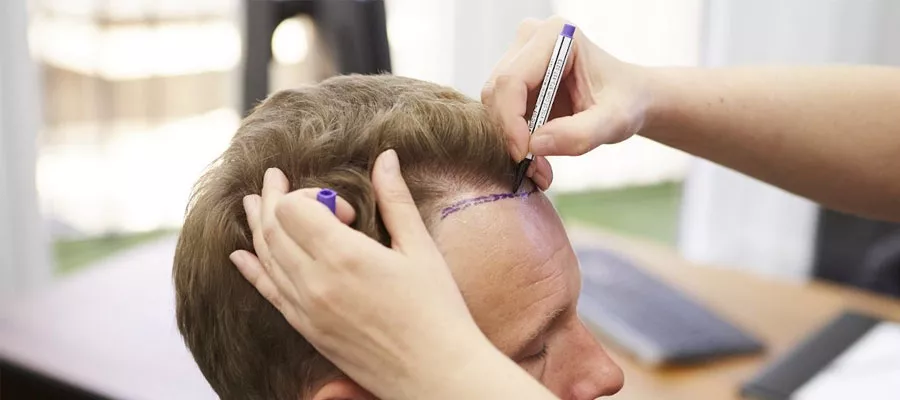
Sapphire hair transplant is performed by extracting grafts from the donor area under local anesthesia and placing them into channels opened with sapphire blades.
First, hair follicles are extracted from the nape area using a micromotor. Then, channels are opened in the transplant area using sapphire-tipped blades according to the natural hair growth direction and angle. These sapphire blades cause less skin irritation and minimize tissue damage. In the final stage, collected grafts are placed into these micro channels one by one. The procedure duration may vary between 6-8 hours depending on graft needs. Healing is fast after application and scabbing usually completes within 7-10 days.
Who Is Suitable?
Sapphire hair transplant is ideal for individuals whose hair loss has stopped or slowed down and who have a sufficient donor area.
People with genetic male pattern hair loss, women with hair thinning problems, or those who want to create a more aesthetic hairline can prefer this method. It is also suitable for revision procedures in people who had previous hair transplant but did not achieve natural results. Individuals with healthy skin structure and controlled systemic diseases can safely undergo this procedure. Sapphire technique provides advantages especially for candidates who want dense hair appearance and have high aesthetic expectations.
Who Is Not Suitable?
Sapphire hair transplant is not suitable for individuals with ongoing active hair loss, insufficient donor area, or serious health problems.
Metabolic disorders such as thyroid problems, advanced diabetes, or iron deficiency may negatively affect graft survival. People with scalp conditions such as psoriasis, fungus, or dermatitis should treat these issues before the procedure. It is not recommended for individuals with active alopecia areata because transplanted hair may fall out again. A comprehensive evaluation should be done before transplant and hair loss type and health condition should be analyzed in detail.
What Is the Difference Between Sapphire FUE and Classic FUE?
Sapphire FUE uses sapphire tips during channel opening, while classic FUE uses metal slits.
In classic FUE, channels opened with metal blades may create more skin trauma. This may extend healing time and cause natural angle placement issues. In Sapphire FUE, blades made from sapphire crystal are sharper and smoother, keeping tissue damage minimal. This shortens healing time and provides denser and more natural-looking hair transplant. It also reduces infection risk. Sapphire FUE is more advantageous than classic FUE for individuals with high aesthetic expectations.
What Does Sapphire Blade (Sapphire Blade) Do? Role in Channel Opening
Sapphire blade is a special blade used during channel opening and creates more precise and smoother incisions.
Compared to traditional metal slits, sapphire blades cause less damage to skin tissue. This allows channels to be opened more naturally and improves compatibility with natural hair growth angle. Micro channels opened with sapphire tips allow grafts to be placed more densely and aesthetically. It also provides less swelling, shorter healing time, and less scabbing. These blades stand out especially in hairline design because they provide millimetric precision.
Sapphire Hair Transplant Advantages and Disadvantages
Sapphire hair transplant offers advantages such as faster healing and natural appearance but costs more compared to classic FUE.
The biggest advantages include minimal tissue trauma, less swelling, dense channel opening, and highly natural results. Sapphire blades allow graft angle to be determined more precisely. Post-procedure complication risk is also lower. However, the procedure may take slightly longer and the operation cost is higher than classic FUE. Application by an expert team is critical to fully benefit from these advantages.
How Long Does Sapphire Hair Transplant Take?
Sapphire hair transplant usually takes between 6 and 8 hours depending on graft number.
Procedure time varies based on graft need, hair structure, and donor area density. Since channel opening with sapphire tips is more precise, it may take slightly longer than classic FUE. However, this time is balanced by faster healing and better results. The operation is usually completed in a single session. In rare cases with very high graft needs, it may be divided into two days. Local anesthesia is applied and the patient remains comfortable during the procedure.
When Are Sapphire Hair Transplant Results Seen?
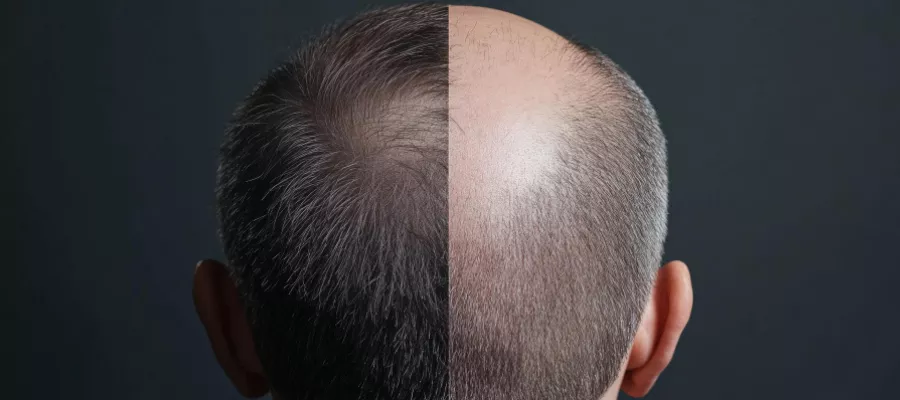
Sapphire hair transplant results usually start appearing from the 6th month and become clear by 12 months.
Temporary shedding called shock loss may occur in the first few weeks and this is normal. New hair usually starts growing from the 3rd month. Age, lifestyle, and skin structure affect process speed. Channel opening with sapphire tips helps follicles attach more securely, improving healing and results. Density increases after the 6th month and final natural appearance is completed by the 12th month.
Is Sapphire Hair Transplant Permanent?
Sapphire hair transplant is permanent because hair follicles taken from the donor area are resistant to hair loss.
Grafts are taken from genetically resistant areas such as the nape. This allows newly transplanted hair to maintain permanence for many years. When applied with correct technique and proper care, results can last a lifetime. However, medical support may be needed for individuals with ongoing genetic hair loss. Transplanted hair can be cut, styled, and behaves like natural hair.
Sapphire Hair Transplant Risks and Side Effects
Side effects after sapphire hair transplant are usually mild and temporary, and serious complication risk is low.
Mild swelling, redness, itching, and scabbing are common after the procedure. Rarely infection, temporary numbness, or graft survival problems may occur. Sapphire tips reduce these risks by minimizing skin damage. Proper hygiene, correct care, and experienced team ensure a smooth process. It is important to consult a doctor in suspicious situations.
When Can Hat/Helmet, Sports, and Sea Activities Be Done After Sapphire Hair Transplant?
Activities such as wearing hats, helmets, and sports can usually be done 2 weeks after transplant.
The first 7–10 days is the graft stabilization period and pressure should be avoided. Accessories such as hats or helmets may damage grafts. Light sports can start after day 15, while heavy workouts and swimming usually require waiting about 1 month. Sea, pool, and sauna environments should be postponed for at least 4 weeks due to infection risk.
Sapphire Hair Transplant Prices 2026
In 2026, sapphire hair transplant prices generally range between 40,000 TL and 90,000 TL.
Frequently Asked Questions
Why Is It Important That Blades Are Single-Use in Sapphire Channel Opening?
Single-use blades are critical for hygiene and sharpness in sapphire channel opening.
Single-use sapphire blades maintain maximum sterility and reduce contamination risk. Using the same blade for multiple patients increases microorganism transmission risk. Since sapphire blades are very sharp, using a new blade for each patient increases channel precision, reduces tissue trauma, and speeds up healing. This practice is the gold standard for both patient safety and aesthetic result quality.
How Is Sapphire Blade Thickness/Channel Width Selected and How Does It Affect Natural Density?
Sapphire blade thickness is precisely selected according to hair shaft diameter and targeted density.
Smaller diameter blades are preferred for thin hair, while slightly wider channels may be needed for thick hair. When channel width is correctly adjusted, sufficient tissue is preserved around the graft and natural density is achieved. Channels that are too wide may disrupt graft angle placement, while channels that are too narrow may cause graft compression and circulation problems. Proper blade selection provides fuller and more symmetrical hairline appearance.
Is Sapphire Blade Changed for Each Graft and How Many Blades Are Used?
Yes, sapphire blades are generally prepared as sterile single-use sets for each patient.
Blade number is determined according to total graft requirement and channel planning. In high graft procedures, multiple sapphire blade sets may be used to prevent blade dullness and maintain channel precision. When blade edges remain sharp, graft placement becomes more controlled and natural. Using new blades for each patient is important for both sterility and aesthetic success.
Do Channels Opened with Sapphire Blade Really Heal Faster?
Channels opened with sapphire blades usually heal faster because they cause less tissue damage.
Sapphire tips create narrower, more precise, and smoother channels. This minimizes swelling, bruising, and scabbing that prolong healing. Preserved tissue integrity helps graft survival and allows patients to return to social life earlier. It also supports healing by reducing infection risk.
What Problems Occur If There Is a “Channel Depth” Error in Sapphire Technique?
If channel depth is not adjusted correctly, graft survival decreases and hair exit direction may not look natural.
Superficial channels may cause graft loss, while very deep channels may delay healing and cause scarring. Depth errors reduce graft survival rate and desired density may not be achieved. Channel depth must be adjusted carefully according to follicle length.
Who Controls Graft Angle/Direction in Sapphire FUE (Doctor/Team)?
Graft angle and direction control should be performed by the doctor for natural appearance.
Angle and direction planning is the foundation of aesthetic success and should be directly managed by the doctor. The team can support the application according to the doctor’s plan. Direction control by an experienced specialist is critical especially in visible areas such as the hairline.
Does Sapphire Technique Require Different Planning for Curly/Afro Hair?
Curly or afro hair requires special planning in sapphire technique because graft directions are different.
In afro hair, follicle direction is curved under the skin, not just on the surface, so channel angle must be adjusted carefully. If this structure is ignored, graft survival may decrease or hair growth may look unnatural. An experienced team can achieve successful results with special angle and direction planning for afro hair type.