
What Is a Moustache Transplant?
A moustache transplant is the transfer of hair follicles to fill thinning or empty areas in the moustache region. It can be applied to areas where moustache growth is weak due to genetic factors, scars, burns, or hormonal deficiencies. Healthy grafts taken from the back of the scalp are implanted into the moustache area in line with the natural direction of growth. It improves the overall look and helps create a more symmetrical, fuller moustache. With planning that matches facial features, natural-looking results can be achieved.
How Is a Moustache Transplant Performed?
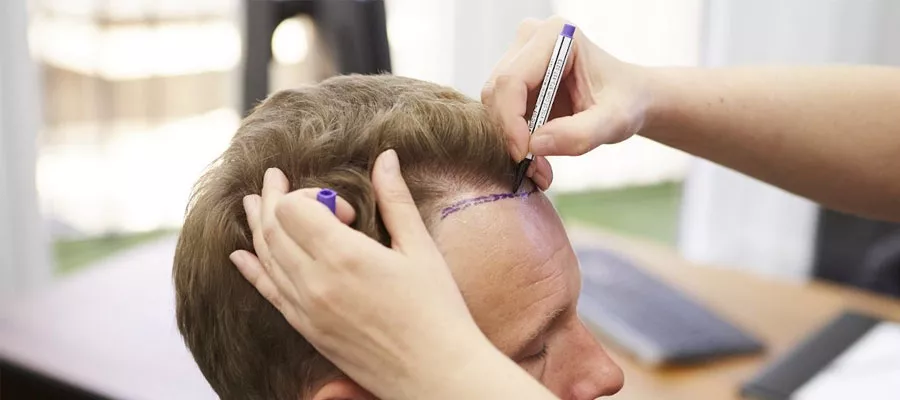
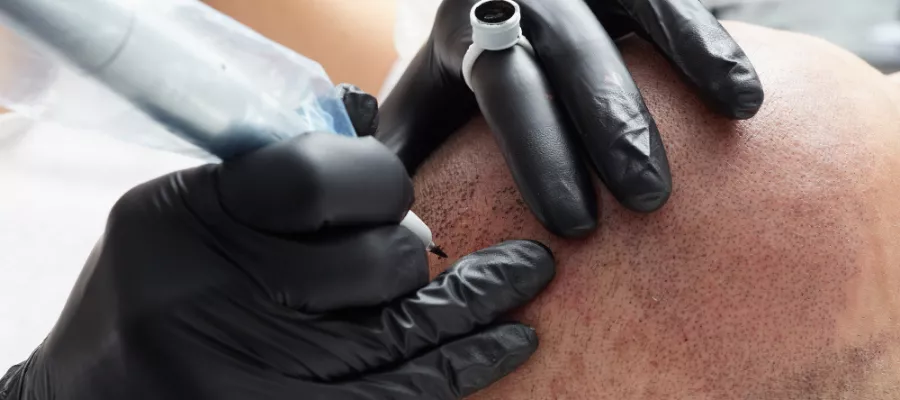
A moustache transplant is done by moving hair follicles taken from the donor area to the moustache line at the correct angles. First, grafts are collected from the donor area using a micro-motor. Then, these grafts are placed into the moustache region after opening tiny channels. During implantation, the growth direction and density are essential for a natural look. The procedure is usually performed under local anesthesia and takes about 2 to 4 hours. Afterward, healing begins and new moustache hairs start to appear within a few weeks.
What Does a Moustache Transplant Do?
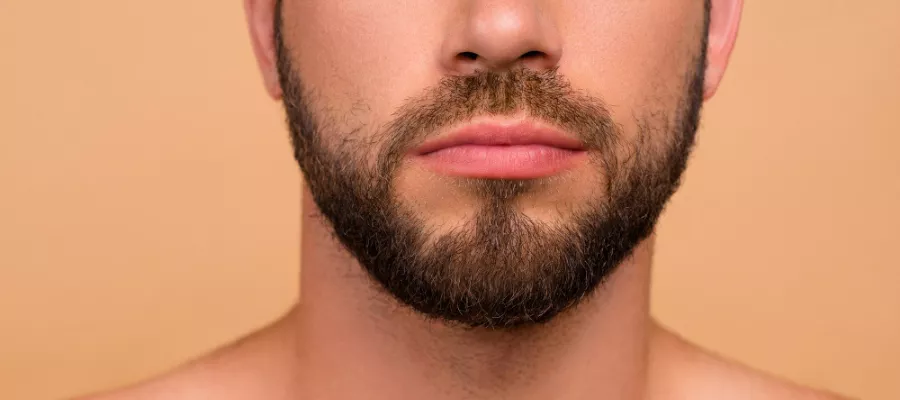
A moustache transplant permanently fills areas where the moustache is sparse or does not grow at all with natural hair. It improves facial symmetry and enhances the overall aesthetic appearance. It can also correct permanent gaps caused by scars or congenital lack of growth. Density and shape can be planned according to personal preference. Because results are customizable, it can provide both cosmetic and confidence-related benefits. The goal is natural-looking moustache hairs with correct direction and flow.
Who Is It Suitable For?
A moustache transplant is suitable for men who have no moustache growth, sparse growth, or an uneven moustache shape. People with gaps caused by genetic factors, hormonal imbalance, trauma, or burn scars can benefit from the procedure. It is also an option for those who want a thicker or more defined moustache for aesthetic reasons. Success rates are high in healthy individuals who have enough donor hair follicles. Suitability is confirmed after a pre-assessment.
Who Is Not Suitable For?
A moustache transplant may not be suitable for people with active skin disease, chronic infection, or insufficient donor hair. Conditions such as psoriasis, eczema, or lupus can make graft survival more difficult. Health issues like diabetes, weak immunity, or bleeding disorders can also increase risk. If donor hair is not enough or is low quality, success may be limited. A detailed evaluation determines whether the procedure is appropriate.
What Is the Difference Between a Moustache Transplant and a Beard Transplant?
A moustache transplant is done only on the upper lip area, while a beard transplant covers larger areas such as the chin, cheeks, and sideburns. In moustache work, lower and more horizontal angles are used for a natural look, while beard angles vary by zone. Because the moustache area is smaller, fewer grafts are usually needed. Beard transplantation requires more grafts and a longer procedure time due to the larger surface area. Both focus on aesthetics and symmetry, but planning details differ.
When Is a Moustache Transplant Preferred?
A moustache transplant is preferred by people with genetically sparse moustache growth or those with no growth due to scars or burns. It may also be used to close gaps caused by past injuries, aesthetic correction needs, or hormonal imbalance. It is effective for those who want a fuller, more symmetrical, and more visible moustache. It is frequently chosen for aesthetic goals rather than medical reasons.
Where Is the Donor Area?
The donor area for a moustache transplant is usually the back of the scalp. Hair follicles from this area are typically strong, thick, and resistant to shedding. This makes them suitable for long-term, permanent moustache results. In some cases, body hair or under-beard areas may be used as additional sources. Donor density, graft quality, and growth direction are key to a successful transplant plan.
How Many Grafts Are Needed for a Moustache Transplant?
A moustache transplant usually requires about 300 to 500 grafts. The exact number depends on existing moustache density, the desired fullness, and the size of the area to be filled. If the area is completely without moustache hair, a higher graft count may be needed. After defining the outline and symmetry, the graft plan is set. When each graft is placed in the correct direction, strong results can be achieved with fewer grafts.
Moustache Design: Angle, Direction, and Density for a Natural Look
For a natural moustache look, hair follicles should be implanted at about a 10–15 degree angle and in the correct growth direction. Symmetry, density, and direction are essential for a balanced moustache line. Keeping hairs parallel and mimicking natural flow improves the aesthetic outcome. Density is often planned at around 30–40 grafts per square centimeter. The design is adjusted to match individual facial structure.
How Long Does a Moustache Transplant Take?
A moustache transplant takes about 2 to 4 hours, depending on the number of grafts to be implanted. Smaller corrections can be completed faster, while full moustache work may take longer. The procedure is done under local anesthesia and is usually completed in one session. It is performed carefully to support shape, graft placement, and a natural look. Patients can typically go home the same day.
Does a Moustache Transplant Hurt?
A moustache transplant does not cause pain during the procedure because it is performed under local anesthesia. After anesthesia, the area becomes numb and the process is generally comfortable. After the procedure, mild stinging or tightness may occur, but this is usually temporary. Proper care and cold compress, when advised, can make recovery easier. Pain complaints are generally minimal.
Moustache Transplant Prices 2026
In 2026, moustache transplant prices typically range from about 20,000 TL to 45,000 TL.
Frequently Asked Questions
Can a moustache and beard transplant be done in the same session?
Yes, moustache and beard transplantation can often be performed together in the same session. These combined procedures can save time and support a more balanced overall result, as long as the donor area is sufficient. Grafts extracted with FUE or DHI can be distributed between the beard and moustache zones based on facial structure. Recovery can also be easier to manage when both areas heal at the same time. However, the session may be longer, so proper pre-planning is necessary. With an experienced team and a design that fits the face, strong results can be achieved in both areas.
What is the minimum number of grafts needed for a moustache transplant?
The minimum number of grafts is usually around 300 to 500. This depends on existing moustache density and the desired look. For mild thinning, 300 grafts may be enough, while a completely empty area may require around 800 to 1,000 grafts for a dense and symmetrical result. Grafts are typically taken from the back of the scalp and are placed carefully as single-hair units. Direction, angle, and density are key for a natural outcome. Using too many grafts can weaken the donor area, so a detailed plan with a specialist is important.
How should face washing be in the first 3 days? What if water touches the area?
In the first 3 days, water should not touch the transplanted moustache area. During this time, grafts are still settling and water contact may shift them. When cleaning the face, the transplanted zone should be kept dry, and only the surrounding areas should be wiped gently with a damp cotton pad. After the third day, gentle washing usually starts with a special lotion and shampoo recommended by the doctor. Sudden water exposure or hot showers may increase the risk of graft loss or infection. Following the aftercare plan closely supports healing and success.
How many days does facial swelling last after a moustache transplant?
Swelling after a moustache transplant usually lasts about 2 to 5 days. It is a normal response of the body and is temporary. Mild swelling may be most noticeable in the first 48 hours. Sleeping with the head elevated, drinking plenty of water, and using cold applications if advised can help reduce swelling faster. Swelling may spread slightly toward the cheeks or under-eye area, but it typically resolves on its own. If swelling lasts longer than 5 days or becomes painful, medical advice should be sought.
What happens if I pick off the scabs?
Removing scabs early can damage grafts and may cause permanent marks. Scabs are part of the natural healing process after a moustache transplant. They usually form in the first 7 to 10 days and should fall off on their own. Picking them off can pull out grafts, increase infection risk, and create gaps in growth. The correct approach is to soften scabs with gentle washing as instructed. If itching occurs, scratching should be avoided. Protecting the natural healing process supports a fuller and more natural final result.
Does wearing a mask after moustache transplant damage grafts?
Yes, wearing a mask in the early days can damage grafts if it touches the transplanted area. Friction or pressure can shift grafts and reduce overall success. For the first 7 to 10 days, it is best to use options that do not contact the area or use protective solutions advised by the doctor. If mask use is necessary, choose models that avoid pressure on the upper lip region. Getting medical guidance before returning to normal mask use is the safest approach.