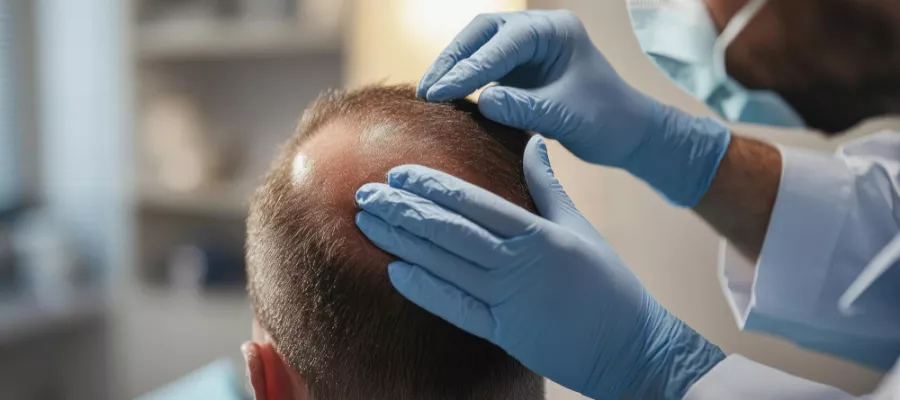

What Is Mesotherapy?
Mesotherapy is a localized treatment method where vitamins, minerals, and medications are injected under the skin with micro-injections. Since it is applied directly to the target area, it can provide faster effects. It is widely used in aesthetic medicine and is commonly preferred for hair loss, cellulite, and skin rejuvenation. The application is done with personalized mixtures. It is generally painless, recovery time is short, and it does not require surgery. The treatment plan is arranged in sessions, and when applied regularly, long-lasting results can be achieved.
What Does Mesotherapy Do?
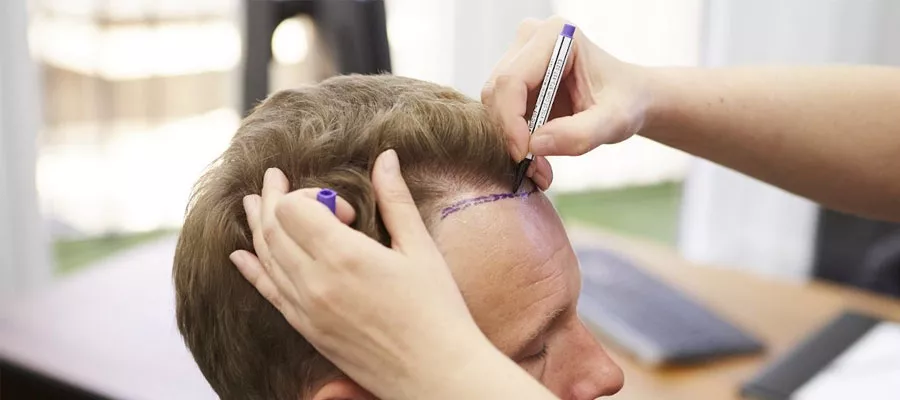
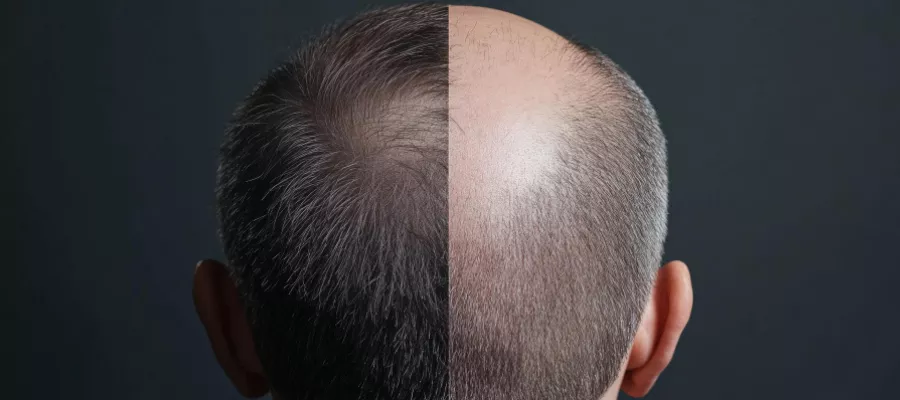
Mesotherapy helps reduce hair loss, renew the skin, and target fat deposits to improve aesthetic concerns. With this method, vitamins, minerals, and medications are delivered directly to the problem tissue. On the scalp, it supports blood circulation and nourishes the follicles. On the skin, it stimulates collagen production to reduce fine lines and improve firmness. On the body, it supports body contouring in cellulite and localized fat. It can also be used for dark spots and under-eye discoloration. With the right mixture and professional application, it can deliver effective results.
What Are the Types of Mesotherapy?
Mesotherapy types are divided into three main groups based on the goal: hair mesotherapy, skin mesotherapy, and localized slimming mesotherapy. Hair mesotherapy helps reduce hair loss and supports new hair growth. Skin mesotherapy (mesolift) is used to reduce signs of aging and add radiance. Localized slimming mesotherapy aims to reduce the look of cellulite, fat deposits, and stretch marks. There are also subtypes in medical aesthetics such as under-eye brightening treatments and spot-targeting mesotherapy. Each type is applied with different ingredients.
What Is in a Mesotherapy Cocktail?
Mesotherapy content usually includes vitamins (A, C, E, B complex), minerals, amino acids, hyaluronic acid, and enzymes. Circulation-supporting agents, antioxidants, and sometimes low-dose medications may also be added. In hair mesotherapy, special peptides and growth factors that support hair follicles may be used. For skin rejuvenation, ingredients that support collagen production are preferred. The formula is customized based on skin type and treatment goal. For effective results, the right formula and professional application are essential.
Who Is Suitable?
Mesotherapy is suitable for healthy individuals experiencing hair loss, skin aging, or localized fat. It can be effective for those with reduced hair density, dull-looking skin, or cellulite concerns. It can be applied to both women and men across many age groups. People who do not want surgery and prefer non-surgical renewal often choose it. It can also be used as a supportive treatment with procedures like laser or PRP. Suitability should be determined with a dermatological evaluation before treatment.
Who Is Not Suitable?
Mesotherapy is not suitable for pregnant women, breastfeeding mothers, and individuals with active skin infections. It may also pose risks for those using blood thinners, those with a history of allergic reactions, or those with autoimmune diseases. People with diabetes or chronic conditions should get doctor approval before treatment. Situations such as open wounds, burns, or active eczema can be temporary barriers. Suitability should be evaluated based on personal health status.
Which Areas Can Mesotherapy Be Applied To?
Mesotherapy is most commonly applied to the scalp, face, neck, abdomen, hips, and legs. For hair loss, it can be applied to the scalp, and for skin rejuvenation, to the face and neck. In cases of cellulite and excess fat, injections can be applied to areas such as the abdomen, waist, hips, and thighs. It can also be applied with suitable formulas to sensitive aesthetic areas such as under-eyes, around the lips, and the backs of the hands. The technique and content may vary depending on the target area. The selection is based on the treatment goal.
How Is Mesotherapy Done?
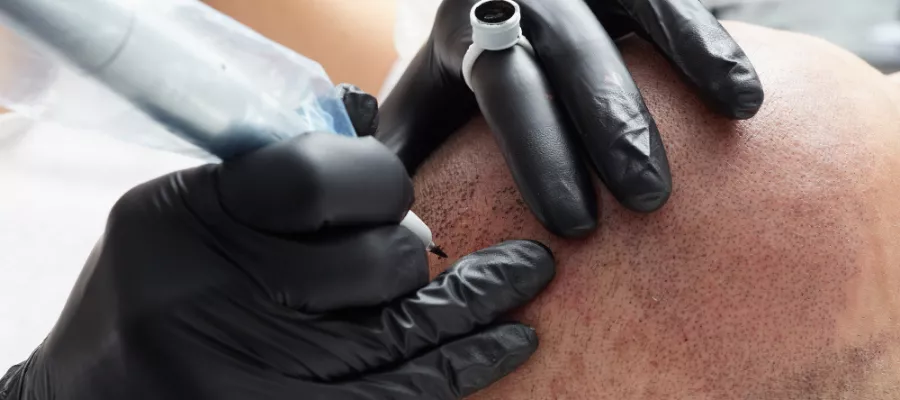
Mesotherapy is performed by injecting special mixtures of vitamins, minerals, and medications under the skin with fine needles. Before the procedure, a topical anesthetic cream can be applied to improve comfort. Multiple micro-injections are done in the target area and the procedure usually takes 15-30 minutes. The number of sessions depends on the goal and the area; on average, 4–6 sessions are recommended. Mild redness and swelling can occur afterward, but it usually resolves quickly. For safe and effective results, it should be performed by qualified professionals.
When Does Mesotherapy Start Working?
Mesotherapy effects usually become noticeable after 2–4 sessions, and full results may require 1–2 months. A fresher look on the skin or reduced hair shedding may be seen even after the first session. However, regular sessions are needed for long-term and lasting effects. The response depends on the treated area, the ingredients used, and the individual. Results may appear faster in skin treatments, while supportive treatments for hair may take longer. Lifestyle and care habits during the treatment period can also affect outcomes.
Recovery After Mesotherapy
Recovery after mesotherapy usually takes 1–3 days and most people return to daily life quickly. Mild redness, bruising, or swelling may occur and typically fades on its own. Avoid rubbing the treated area and avoid heat exposure to support recovery. Sun protection and drinking enough water are commonly recommended. Makeup should not be applied for the first 24 hours and the skin should be rested. In sensitive skin, effects may last a few days longer. Proper aftercare products can support healing.
Mesotherapy Side Effects and Risks
Mesotherapy is generally safe, but mild side effects may occur after injections. The most common are redness, bruising, swelling, mild itching, and tenderness at injection points. Rarely, allergic reactions or infection may occur. Risks increase if hygiene rules are not followed. Poorly prepared mixtures or incorrect technique can lead to unwanted outcomes. For this reason, the procedure should be performed by a qualified doctor. Side effects are usually temporary and improve quickly with proper care.
Mesotherapy Prices 2026
In 2026, mesotherapy prices may range between 1,000 TL and 5,000 TL depending on the treated area, product quality, and number of sessions.
Frequently Asked Questions
How Long Do Needle Marks/Papules Last After Mesotherapy?
Needle marks or small papules after mesotherapy usually disappear on their own within 12 to 48 hours. This period may vary depending on skin type and injection depth. In sensitive skin, these marks may last a bit longer. Mild bumps and redness on the first day are normal. Cold compress and suitable moisturizers can speed up the process. Permanent marks are not expected; using sunscreen also supports healing. Avoid rubbing the skin to support recovery.
What Should People Prone to Bruising Stop Before the Procedure?
To reduce bruising risk before mesotherapy, supplements with blood-thinning effects such as vitamin E, aspirin, omega-3, garlic, and ginkgo biloba should be stopped 3–7 days in advance. Alcohol is also not recommended before the procedure because it can increase circulation. These products can make small vessels under the skin more sensitive and increase bruising risk after injections. If you use prescription medications, inform the doctor and get approval. Preparation should be planned personally with professional guidance.
If the Face Rubs Against the Pillow After the Procedure, Does It Affect the Result?
If the face rubs against the pillow after mesotherapy, it may cause irritation and reduce proper absorption in the treated area. Especially on the first night, micro-injection points may not be fully closed, and contact with the pillow can increase infection risk. Sleeping on the back and keeping the head slightly elevated is recommended. A clean, cotton pillowcase should be preferred. If irritation occurs, recovery may take longer and treatment efficiency may decrease. Being careful in the first 24 hours is important.
Is It Harmful to Apply Skin Care (Serums/Actives) on the Same Day After Mesotherapy?
Using active skin care products on the same day after mesotherapy is not recommended because the skin is temporarily more sensitive. Especially retinol, acids (AHA/BHA), and vitamin C may cause irritation. Instead, soothing moisturizers and sunscreens recommended by the doctor should be used. Waiting at least 24 hours helps the skin recover. Products like serums should be applied only after the skin is fully calm. Post-treatment care directly affects results.