
What Is Hair Transplant?
Hair transplant is the transfer of healthy hair follicles taken from the donor area to replace lost hair.
This procedure is used for hair loss related to genetic factors, stress, aging, or trauma. The nape area is usually used as the donor site because hair in this region is more resistant to shedding. With FUE, DHI, and manual techniques, follicles are extracted one by one and implanted into thinning areas. When performed with the right technique, results are permanent and natural. It is preferred to reduce aesthetic concerns and improve self-confidence.
Who Is Suitable for Hair Transplant?
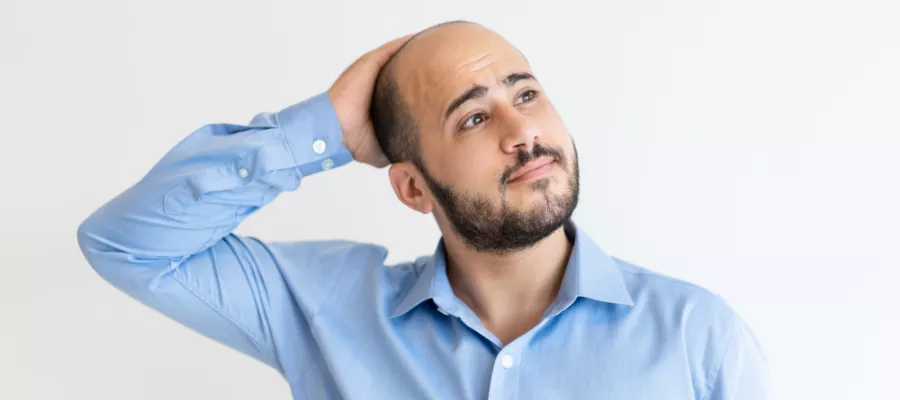
Hair transplant is suitable for people whose hair loss has stopped and who have a sufficient donor area.
Individuals with genetic hair loss, a receding hairline, or local gaps can benefit from this procedure. People with male pattern baldness, burn scars, or trauma-related hair loss can also be suitable candidates. For women, it is an effective solution for hairline correction and localized thinning. Hair transplant can be safely performed for individuals over the age of 20 with good general health. Donor quality and the type of hair loss determine success.
Who Is Not Suitable for Hair Transplant?
Hair transplant is not suitable for individuals with ongoing active hair loss or an insufficient donor area.
Also, for those whose hair loss is due to temporary reasons such as stress or vitamin deficiency, the procedure should be postponed since the problem may be solved medically. Success rate may be lower in individuals with skin diseases, autoimmune disorders such as alopecia areata, and uncontrolled chronic conditions. Hair transplant is not recommended during pregnancy or chemotherapy. Specialist evaluation is necessary to understand whether a person is a suitable candidate. Correct patient selection is critical for long-term results.
Hair Transplant Methods: FUE, DHI, Manual FUE, Sapphire FUE
The most common hair transplant methods are FUE, DHI, Manual FUE, and Sapphire FUE techniques.
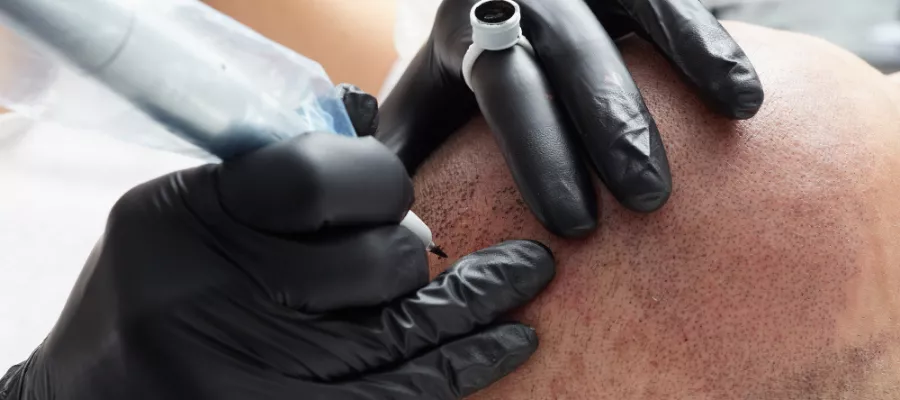
FUE (Follicular Unit Extraction) is the extraction of follicles one by one with a micromotor and implantation into the recipient area. DHI (Direct Hair Implantation) is a shave-free method where follicles are placed directly with a special pen. Manual FUE is a technique where grafts are extracted by hand, allowing more control and more natural results. Sapphire FUE uses a sapphire-tipped blade to open smoother channels. Each technique offers different advantages, and the choice should be based on the individual, hair structure, and type of hair loss.
FUE or DHI? Which One Makes More Sense in Which Situation?
DHI is more suitable between existing hairs, while FUE is more suitable for wide bald areas.
Since DHI allows transplantation without shaving the hair, it is ideal for women and people who want hairline correction. It also provides high density in small areas. FUE is more reasonable for individuals with extensive hair loss because it allows faster graft extraction and implantation across large areas. The technique should be chosen based on hair structure, level of thinning, and aesthetic goals. Both methods can provide natural results when performed by an experienced team.
What Is a Graft? How Is the Graft Count Calculated?
A graft is a small piece of tissue that contains hair follicles, and the required amount is calculated based on the size of the thinning area.
One graft usually contains 1 to 4 hair strands. Graft count is determined by the bald area size in square centimeters, the desired density, and donor capacity. For example, a 100 cm² area may require 3000 grafts. Detailed hair analysis allows personalized graft planning for each patient. Too few grafts may cause a sparse look, while too many can weaken the donor area. That is why expert analysis is essential.
Does Hair Transplant Completely End Baldness?
Hair transplant covers thinning areas but does not completely stop genetic hair loss.
Transplanted hair is permanent because it is taken from a resistant donor area. However, non-transplanted hair can continue to shed. For this reason, medical treatment may be needed after hair transplant to control ongoing hair loss. Especially in early-onset hair loss, another transplant may be needed in the future. With proper planning, strong donor area, and good aftercare, the bald appearance can be reduced significantly. A holistic approach is needed for long-term results.
What Is Evaluated During the Pre-Transplant Consultation?
Before a hair transplant, the type of hair loss, donor area quality, and general health are evaluated.
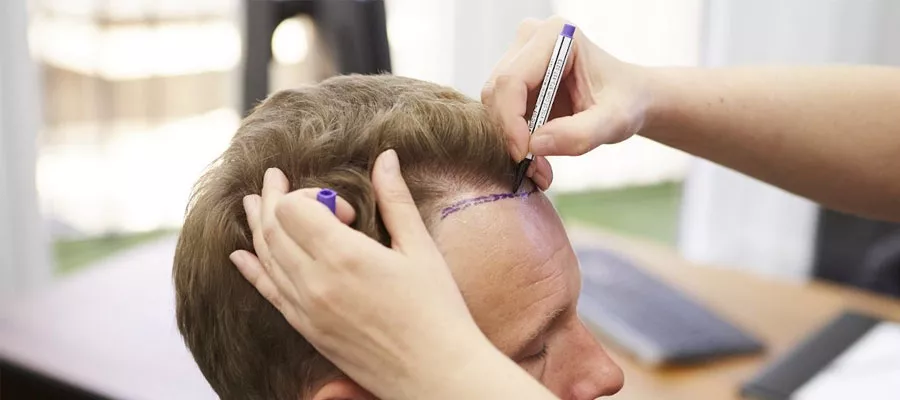
The specialist analyzes hair structure, thinning area, and graft requirement. Medical history, medication use, and blood tests are also checked for eligibility. Donor density, hair shaft thickness, and skin structure affect success. Hairline design and mapping of the recipient area are clarified during consultation for accurate planning. These evaluations are critical for a natural and permanent result.
What Is the Donor Area? Nape Thinning and Overharvesting Risk
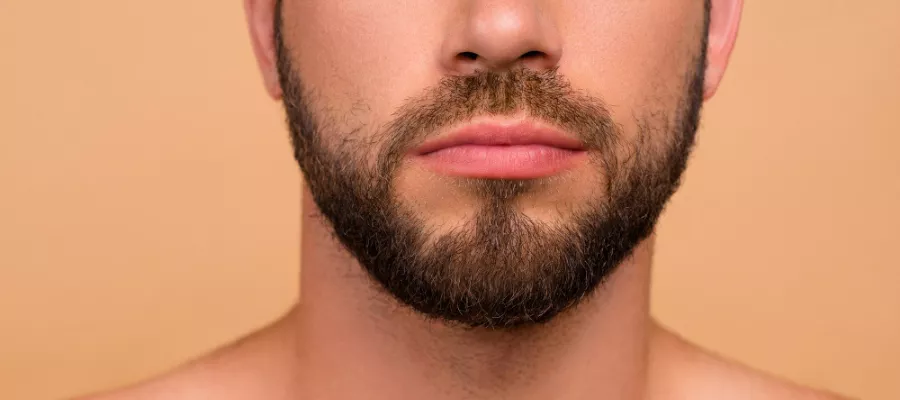
The donor area is the nape and upper ear regions where follicles are extracted; excessive extraction may cause visible thinning.
Hair in this area is genetically more resistant to shedding and is the best source for transplant. However, heavy graft extraction (overharvesting) can lead to noticeable thinning and aesthetic problems in the donor area. Balanced extraction and correct techniques can reduce this risk. Since donor capacity is limited, planning must be done by a specialist. If needed, graft harvesting can be supported with other areas. The donor area directly affects transplant success.
How Is a Hair Transplant Operation Performed?
Hair transplant is performed by placing grafts taken from the donor area into thinning areas with natural angles.
First, the donor area is numbed with local anesthesia and follicles are extracted one by one. While the grafts are kept in a special solution, channels are opened in the recipient area. Grafts are then placed into these channels according to the natural hair direction. The procedure may take 4 to 8 hours and is planned individually. Scabbing and shock shedding may occur as part of the normal process. When performed by a professional team, results are permanent and natural.
Anesthesia Options: Local, Sedation, Needle-Free Anesthesia
In hair transplant, local, sedation, and needle-free anesthesia options can be chosen based on patient comfort.
Local anesthesia is the most common method and numbs only the treated area. Sedation increases comfort by adding a calming medication. For people with needle fear, needle-free anesthesia may be used with pressure spray or devices. These methods minimize pain and help the patient feel comfortable during the procedure. The doctor decides which option is suitable based on the patient profile. Comfort and safety should be evaluated together.
How Many Hours Does Hair Transplant Take?
Hair transplant usually takes between 4 and 8 hours, and duration may vary depending on graft count.
Procedures requiring fewer grafts are completed faster, while transplants over large areas take longer. The process can differ between techniques such as FUE and DHI. Duration is planned based on graft extraction, channel opening, and implantation stages. Breaks are also given for patient comfort. In some cases, long procedures can be divided into two days. Longer time is not a success sign; it is the result of detailed planning.
Is Hair Transplant Permanent?
Yes, hair transplant is permanent because the transplanted follicles are taken from a donor area resistant to shedding.
Since these grafts are not genetically prone to hair loss, they can remain for life in the new area. Shock shedding in the first months is normal and does not affect permanence. New hair starts growing from the 3rd month and final results are achieved within 12 months. Aftercare, a healthy lifestyle, and supportive treatments if needed can improve long-term results. Proper planning by experienced specialists provides successful and lasting outcomes.
When Can Hat/Helmet, Sports, Sea, and Sauna Be Done After Hair Transplant?
Activities such as hats, sports, sea, and sauna should be started carefully at least 2 weeks after hair transplant.
During the first 10 days, no contact with the transplanted area is recommended. If a hat is necessary, loose and non-contact models should be preferred. Sports should be avoided for at least 2 weeks, and heavy exercise should be avoided for 1 month. Sea and pool environments with infection risk should be avoided for at least 3–4 weeks. Sauna and steam baths are also not recommended for the first month because they may negatively affect healing. Following doctor instructions improves transplant success.
Hair Transplant Risks and Complications
Hair transplant is generally safe, but low-risk complications such as infection, swelling, and temporary numbness may occur.
Procedures performed with improper techniques may cause issues such as poor graft survival, an uneven hairline, or scarring in the donor area. In rare cases, prolonged scabbing, swelling, or inflammation may be seen. These risks are minimized when the procedure is performed by experienced specialists under hygienic conditions. Allergic reactions may develop due to medications used. Detailed pre-op evaluation and proper aftercare are essential to prevent risks.
Hair Transplant Prices 2026
In 2026, hair transplant prices usually range between 25,000 TL and 70,000 TL on average.
Frequently Asked Questions
When can procedures like hair dye, keratin, and blow-dry be done?
After hair transplant, procedures like dye, keratin, and blow-dry should generally be done after 4 to 6 weeks.
Since the scalp is sensitive in the first month, chemical products may irritate the skin and harm grafts. Heat procedures may also negatively affect follicle settling. For this reason, hair dye, straightening, and styling tools should be used only after doctor approval. The first washes should be done gently with special shampoos and the natural healing process should be supported. After this period, normal care routines can be resumed.
Can sun/solarium affect the result, and how long should you protect?
Yes, sun and solarium can negatively affect the result; direct exposure must be strictly avoided for the first 3 weeks.
UV rays may cause irritation, dryness, and pigment changes on the transplanted area. If you need to go outside, wear a wide-brim hat and use sunscreen with doctor advice. Solarium should be avoided for at least 1–2 months. Direct light exposure may negatively affect graft survival and healing. During this period, the scalp should be protected and kept moisturized.
When can you return to sports and weight training?
After hair transplant, light sports can start after 2 weeks, and weight training can start after 3–4 weeks.
During the first 10 days, avoid impact, sweating, and excessive movement. Heavy training can increase pressure and make graft survival more difficult. Light exercises such as walking can be done after the second week. For weight lifting, high-heart-rate workouts, and contact sports, the time recommended by the doctor should be followed. The process should be planned individually and not rushed.
When are sea/pool and sauna/hammam allowed?
It is recommended to enter sea, pool, sauna, and hammam environments about 1 month after hair transplant.
This helps reduce infection risk and supports healthy graft survival. Salt water, chlorine, and intense steam may harm grafts and disrupt healing. During the first 3 weeks, the transplanted area should be protected and sweating environments should be avoided. After the first month, these activities can be done safely with doctor approval. Cleanliness and hygiene should be prioritized.
If I don’t use finasteride/minoxidil, will the result be bad?
No, not using finasteride or minoxidil does not ruin the transplant result, but the shedding process may speed up.
Transplanted hair is permanent and does not fall out, but existing natural hair may continue to thin over time. Supportive treatments like finasteride (for men) and minoxidil help protect existing hair and slow the process. Use is not mandatory, but it may be beneficial especially for younger people with widespread shedding. It should be started with doctor advice and used regularly.
What should be done if acne/folliculitis occurs after hair transplant?
If acne or folliculitis occurs after hair transplant, keep the area clean and use treatment with doctor advice.
This usually happens when new hairs push through the skin surface and is temporary. Do not scratch or squeeze; antiseptic lotions and mild antibiotic creams may be used. In severe or widespread cases, oral medication may be needed. Letting the scalp breathe and avoiding excessive sweating supports healing. With proper care under doctor control, the issue is not permanent.
Why are results slower and harder in the crown area?
Since blood circulation is lower in the crown area, hair transplant results may appear later and be harder to see there.
The skin in this area is tighter and the vascular structure is weaker, so graft survival and hair growth can take longer. Also, placing angles naturally is technically more difficult. The crown area is often larger, so the density feeling develops later. While early results start around the 6th month, full results may take 12–15 months. Patience and regular follow-up improve success in this area.