
What Is Female Hair Transplant?
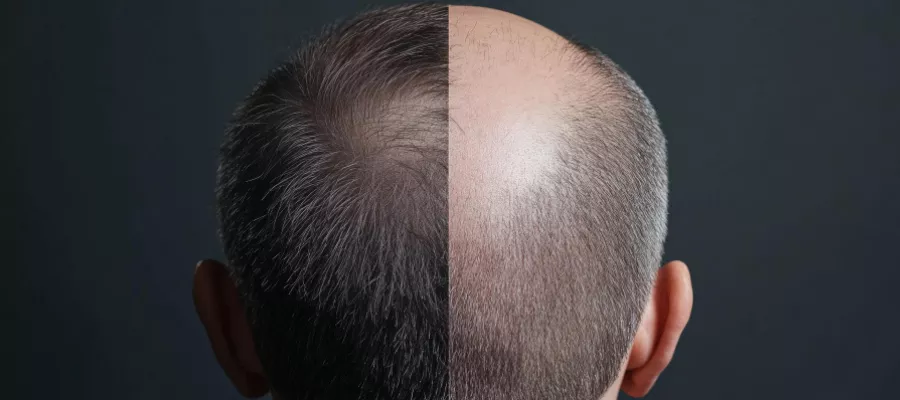
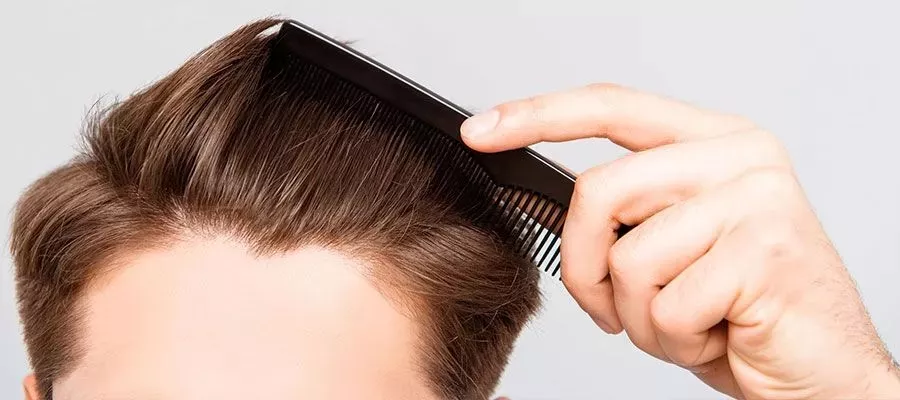
Female hair transplant is the transfer of permanent hair follicles to areas affected by hair loss in women.
This procedure is performed to increase hair density and cover thinning areas. Healthy grafts taken from the nape area are usually implanted into sparse regions. Since female hair loss is often more diffuse than in men, the transplant plan is made individually. Female hair transplant helps reduce aesthetic concerns, improves self-confidence, and refreshes the overall look with a natural hairline. When performed with the right technique and an experienced doctor, results are permanent and natural.
How Is Female Hair Transplant Performed?
Female hair transplant is performed by placing grafts taken from the donor area into thinning zones at natural angles.
Before the procedure, a detailed hair analysis is done and the type of hair loss is identified. In many cases, FUE or DHI techniques are applied under local anesthesia without shaving the hair. Grafts taken from the nape are implanted one by one into the pre-planned areas. Since the hairline and density patterns are different in women, special attention is needed for a natural look. Mild scabbing and redness may occur after the procedure, but these signs usually resolve quickly. Hair begins to grow within a few months and full results are typically achieved at the end of 1 year.
In Which Cases Is Female Hair Transplant Performed?
Female hair transplant can be performed for genetic hair loss, hormonal disorders, or traumatic hair loss.
It may also be preferred for stress-related shedding, postpartum hair loss, burn scars, or aesthetic reasons. Cases with localized thinning are usually the most suitable for transplant. In diffuse hair thinning in women, medical treatment may be needed first. Before deciding on a hair transplant, evaluation by a dermatologist or hair transplant specialist is essential. This ensures accurate diagnosis and improves success rate. For women, hair transplant can provide aesthetic improvement and also support psychological well-being.
Differences Between Female and Male Hair Transplant
The main difference between female and male hair transplant is the hair loss pattern and shaving requirement.
In men, hair loss often focuses on the frontal area and crown, while in women it can be more widespread and diffuse. For this reason, shave-free techniques are more commonly used in female hair transplant. In women, transplantation is performed while preserving the hairline and paying more attention to aesthetic details. Also, while classic FUE is common in men, DHI is more frequently preferred in women. Since density planning, design, and procedure strategy differ, choosing an experienced specialist is very important. A personalized approach is essential for natural results in women.
Who Is Suitable?
Female hair transplant is suitable for women with localized hair loss and a sufficient donor area.
Women with genetic hair loss, postpartum thinning, or those who want hairline correction for aesthetic reasons may benefit from this procedure. If the donor area (usually the nape) has good density, success rate can be high. It can also be used for local gaps due to trauma, burns, or surgery scars. Women without active dermatological problems and whose shedding has stabilized are ideal candidates. Proper patient selection is one of the most important factors for natural and permanent results.
Who Is Not Suitable?
Female hair transplant is not suitable for individuals with active shedding or widespread diffuse thinning.
In temporary shedding conditions such as telogen effluvium, transplant is not recommended because the problem may improve with medical treatment. In immune-related conditions such as alopecia areata, graft survival may be difficult. Insufficient donor area, systemic health problems like cardiovascular disease, or uncontrolled diabetes can also be barriers. The procedure is not recommended during pregnancy. A detailed evaluation by a specialist before deciding on transplant helps prevent wrong applications.
Can Female Hair Transplant Be Done on the Crown (Vertex) Area?
Yes, female hair transplant can be performed on the crown (vertex) area, but suitability must be evaluated case by case.
Hair loss in this area is often related to hormonal causes, so the type of shedding should be clearly identified before transplant. If the donor area is sufficient and shedding is not active, crown transplant can provide permanent results. The DHI technique is often preferred in this area to achieve natural density. However, in women with diffuse thinning, medical support may be needed first. With expert analysis and correct candidate selection, successful results can be achieved in the vertex area.
Female Hair Transplant for Forehead Recession / Temple Thinning
Female hair transplant is an effective solution to cover thinning in the forehead and temple areas.
When the hairline gradually moves back or clear gaps appear at the temples, the aesthetic look can be affected. Healthy grafts taken from the nape are placed carefully into the forehead and temple regions. To create a natural hairline, single-hair grafts are placed in the front, while multi-hair grafts are placed behind for density. This softens facial lines and supports a younger appearance. With transplant in these areas, hair density increases and a more symmetrical look can be achieved.
Hairline Design in Women: Natural and Feminine Hairline
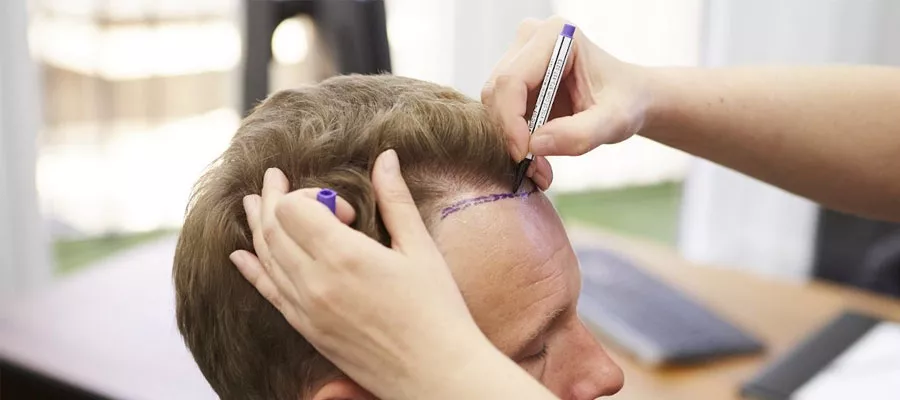
In female hair transplant, a natural and feminine hairline is designed with soft transitions that match facial features.
In women, the hairline should be more rounded and lower compared to men. For this reason, planning focuses on curved and natural designs rather than straight lines. Single-hair grafts are placed at the front, and multi-hair grafts are used behind for density. Symmetry, forehead width, and hair characteristics are considered during design. A feminine hairline softens facial expression and strengthens the overall aesthetic. A hairline planned by an experienced team provides a younger and more natural appearance.
Female Hair Transplant: FUE or DHI? Which Is More Suitable?
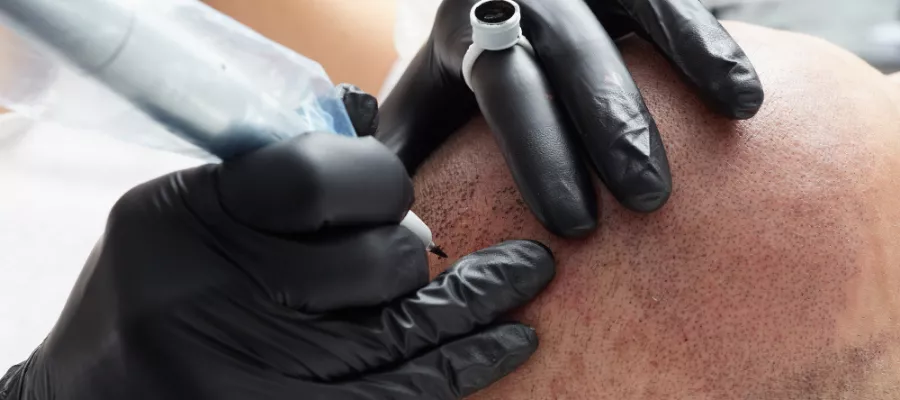
In female hair transplant, DHI is generally more suitable because it offers a shave-free and more delicate application.
DHI allows transplantation without shaving the hair, which is a major advantage for female patients. Grafts are placed directly with a special pen right after extraction, helping protect graft vitality. It provides natural results especially in detailed areas such as the hairline and temples. FUE can be applied to wider areas but usually requires shaving. For women who want a more discreet process and minimal disruption to daily life, DHI can be a more comfortable option.
How Is the Donor Area Selected in Women?
In women, the donor area is usually the nape, selected based on graft density and quality.
During donor selection, hair thickness, density, and shedding risk are analyzed. The nape is the most preferred area because it is more resistant to hair loss. In some women, areas behind the ear or side regions can be used as support. Donor condition directly affects how many grafts can be transplanted. For this reason, planning should be done with microscopic analysis by a specialist. Choosing a healthy donor area directly determines transplant success.
Recovery After Female Hair Transplant
Recovery after female hair transplant usually begins with scabs shedding within 7-10 days.
Mild swelling, redness, and scabbing may occur after the procedure, but these are temporary. For the first 3 days, water should not touch the transplanted area. After day 10, scabs start to fall off and temporary shedding may occur. This is called shock shedding and it is normal. New hair usually starts growing from the 3rd month, becomes more visible by the 6th month, and full results are typically achieved within 1 year. Following doctor instructions during recovery improves success and supports a natural look.
Is Female Hair Transplant Permanent?
Yes, hair transplanted in female hair transplant is usually permanent for life.
Since grafts are taken from a donor area resistant to shedding, they continue growing permanently in the new location. Temporary shedding can occur in the first 3 months, but this is normal. New hair becomes visible within 6–12 months. Permanence increases with correct planning, an experienced surgeon, and good aftercare. Medical support can also help control ongoing shedding. Although female hair transplant provides permanent results, combination treatments may be considered if genetic hair loss continues, based on doctor advice.
Female Hair Transplant Risks and Side Effects
The most common side effects after female hair transplant are redness, swelling, and scabbing.
These effects are usually temporary and disappear within 7–10 days. Rarely, side effects such as infection, bleeding, or numbness may occur. Poor planning or weak donor selection may lead to uneven growth or low density. Temporary shedding known as shock loss may also occur and is usually temporary. To reduce risks, working with an experienced specialist and following hygiene and aftercare rules is very important. A personalized evaluation is necessary for each patient.
When Can Hair Dye, Blow-Dry, and Heat Styling Be Done After Female Hair Transplant?
After female hair transplant, hair dye and heat styling should be postponed for at least 4–6 weeks.
This period is needed for grafts to settle securely. Avoiding very hot blow-dry, straighteners, or curling tools for the first 4 weeks reduces the risk of graft damage. Chemical dyes can also irritate the scalp in the first 10 days. During recovery, gentle care and doctor-recommended products should be used. Returning to dye and heat styling without doctor approval can risk graft health and long-term results.
Female Hair Transplant Prices 2026
In 2026, female hair transplant prices generally range between 25,000 TL and 60,000 TL.
Frequently Asked Questions
Is There an Ideal Age Range for Female Hair Transplant?
The ideal age range for female hair transplant is generally between 25 and 55.
During this period, hair loss is often more stable and the transplant area becomes clearer. In women under 25, shedding may still be active, so the cause should be identified first. As age increases, donor quality may decrease, so earlier intervention can be an advantage. However, any woman with good general health and stabilized shedding can be a suitable candidate regardless of age. A decision should not be made only by age without a personalized analysis.
If Hair Loss Is Still Active, Is It Right to Get a Transplant and What Should Be Stabilized First?
If hair loss is still active, it should stop or become stable before a hair transplant is performed.
A transplant done during active shedding may lead to new thinning areas later. While the transplanted area looks filled, surrounding hair may continue to fall out and the overall aesthetic may be affected. For this reason, the type of shedding should be analyzed and controlled with medical treatment first. PRP, mesotherapy, or medications may slow down shedding. A transplant performed before stabilization may require another procedure in the long term. Careful planning is needed for healthy and lasting results.
How Long Should Women With Postpartum Hair Loss Wait?
Women with postpartum hair loss should wait at least 6–12 months for the hair to recover.
This shedding is usually temporary and hair starts to regrow as hormones return to normal. Transplant should not be rushed and natural recovery should be monitored. During the waiting period, vitamin support, proper nutrition, and good hair care routines are important. If shedding is still intense after 1 year, a specialist evaluation is needed. A transplant can be considered after confirming whether it is temporary shedding or permanent loss.
If Iron/Ferritin, Vitamin D, or Thyroid Levels Are Low, Is the Transplant Postponed?
Yes, if iron, vitamin D, or thyroid levels are low, hair transplant is usually postponed.
These deficiencies can be among the main causes of hair loss and they can also negatively affect recovery. For healthy graft survival, the body should be balanced. Blood tests before transplant check these values, and if they are low, medical support is provided first. After levels improve, transplant planning is done, which helps increase graft survival and protect overall hair health. Treatment under doctor control supports more lasting results.
Does Hair Transplant Work for Traction Alopecia (From Tight Buns/Braids)?
Yes, hair transplant can work in people with traction alopecia, but the scalp must be healthy first.
In this type of hair loss, follicles are damaged due to long-term tension. If the affected area is still viable and circulation is good, grafts can survive. However, if the skin is thinned or scarring has formed, success rate may be lower. Scalp examination and dermatoscopic analysis are essential before transplant. A transplant performed on a healthy area supported by treatment can provide permanent and natural results. Avoiding tight hairstyles helps prevent recurrence.
If Seborrheic Dermatitis/Psoriasis Exists on the Scalp, Is Control Required Before Transplant?
Yes, if seborrheic dermatitis or psoriasis exists, dermatological control is required before hair transplant.
Transplant during an active flare may reduce graft survival and make recovery harder. Redness, scaling, and inflammation can increase complication risk after the procedure. Controlling skin conditions before transplant directly affects success. Proper treatment should be applied with dermatologist guidance, and transplant should be planned only after scalp health improves. A healthy scalp is the foundation of a successful transplant process.
Can Local Anesthesia or Stress Trigger Migraine Attacks?
Yes, in people with migraines, stress or local anesthesia during hair transplant can trigger an attack.
A long procedure, position changes, and emotional tension may increase migraine risk. Local anesthetic agents can rarely be triggering, so detailed medical history should be shared before the procedure. Comfort factors such as light, sound, and the environment should be managed carefully for migraine patients. If needed, neurological approval can be taken before the procedure. In individuals with well-controlled migraines, hair transplant can be performed safely with proper conditions.