
What Is Eyebrow Transplant?
Eyebrow transplant is an aesthetic procedure that reshapes lost or thinned eyebrows using grafts taken from the nape area.
Single-hair grafts taken from the scalp are usually placed along the brow line with natural angle and direction. The goal is a permanent and natural-looking eyebrow appearance. It is an effective solution for people with eyebrow loss, scars, or dissatisfaction with eyebrow shape. In the first weeks after the procedure, scabbing may occur, but within a few months new eyebrow hairs begin to grow noticeably.
How Is Eyebrow Transplant Performed?
Eyebrow transplant is performed under local anesthesia by implanting single-hair grafts taken from the nape area into the eyebrow line at a special angle.
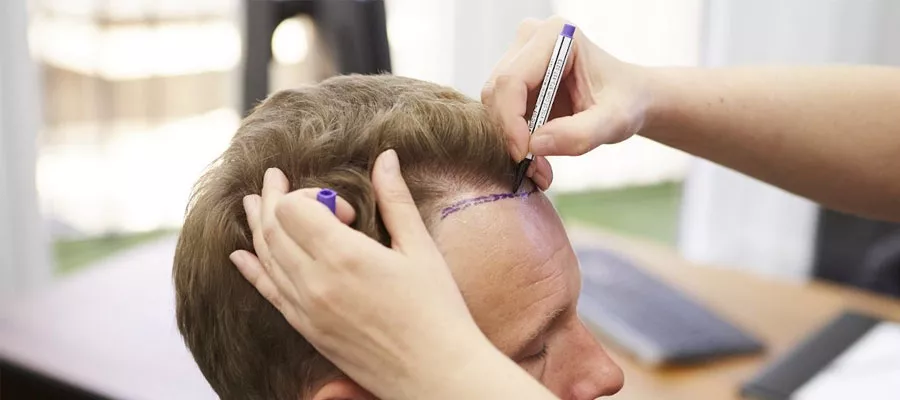
Before the procedure, a personalized eyebrow design is created. Then, fine hair follicles taken from the donor area are placed one by one according to the natural eyebrow direction. At this stage, a very low angle such as 15–25 degrees is used because natural eyebrow hairs grow close to the skin. After a procedure that takes about 2–3 hours, the patient can go home the same day. Recovery is short and results become clear within 6–12 months.
What Does Eyebrow Transplant Do?
Eyebrow transplant is done to permanently correct eyebrow loss and provide a natural, symmetrical appearance.
Instead of covering gaps temporarily with cosmetic products, it aims for a natural look with real, permanent hairs. It is especially effective for people with eyebrow loss due to over-plucking, burns, scars, trauma, or genetic causes. People who are not satisfied with their eyebrow shape can also redesign the eyebrow line. Since transplanted hairs have a natural hair structure, they can be styled and trimmed as they grow.
Who Is Suitable?
Eyebrow transplant is suitable for anyone who has eyebrow loss, shape irregularities, or wants fuller eyebrows for aesthetic reasons.
People with genetic eyebrow thinning, burns, accidents, scars, hormonal changes, or over-plucking may benefit from this procedure. Both women and men can have an eyebrow transplant. However, people with skin disease, active infection, or insufficient donor grafts should be evaluated with a pre-exam. Medical history should also be considered for a safe procedure.
Who Is Not Suitable?
Eyebrow transplant may not be suitable for people with active skin disease, alopecia areata, or an insufficient donor area.
Autoimmune diseases, uncontrolled diabetes, or serious conditions that affect wound healing may negatively impact results. Inflamed skin structure can make graft survival harder. In people with trichotillomania (a habit of pulling eyebrows), the risk of pulling out transplanted hairs is high. Suitability must be confirmed with dermatological and medical evaluation.
Why Does Eyebrow Loss Happen?
Eyebrow loss may occur due to hormonal changes, stress, incorrect plucking, nutrient deficiencies, or skin diseases.
Pregnancy, thyroid disorders, vitamin and mineral deficiencies (especially biotin, iron, and zinc), and autoimmune diseases can also lead to eyebrow loss. Frequent eyebrow shaping for aesthetic reasons can weaken the roots over time. Burns, trauma, and some medications may also cause eyebrow shedding. Temporary solutions without treating the cause do not provide a permanent fix.
Design Before Eyebrow Transplant: Eyebrow Shape by Face Type
Before eyebrow transplant, face type should be analyzed and a personal, symmetrical, and natural eyebrow design should be created.
If the face is oval, square, round, or triangular, the eyebrow shape is planned accordingly. For example, slightly angled brows may balance round faces, while more horizontal lines may suit longer faces. Brow start, arch, and end points are adjusted using golden ratio measurements. Since eyebrow design directly affects facial expression, this stage should be done with professional support.
Which Technique Is Used for Eyebrow Transplant?
Eyebrow transplant is usually performed with FUE or DHI using single-hair grafts and a natural angle and direction.
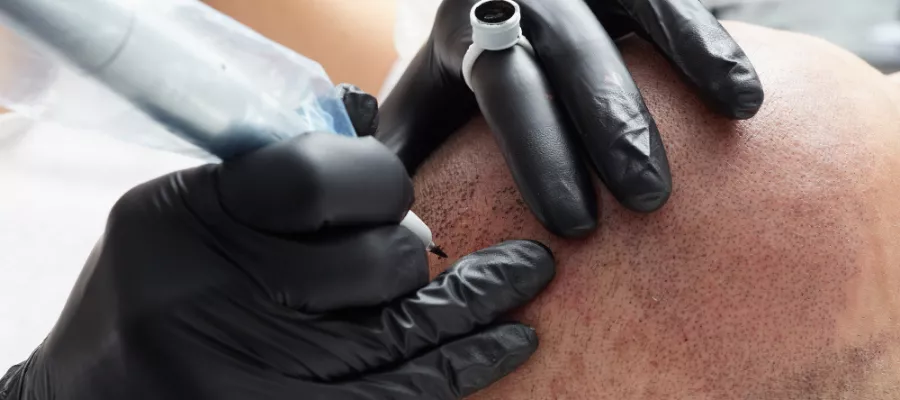
With the FUE method, single hair follicles are extracted from the donor area and transplanted after micro channels are opened. With the DHI technique, grafts are placed directly using a special pen, allowing more controlled angles. In both techniques, the goal is a dense and symmetrical appearance that matches natural growth direction. Since eyebrow hairs grow very flat, working at a low angle is critical for natural results.
First 24 Hours After Eyebrow Transplant: Redness, Swelling, Sensitivity
In the first 24 hours after eyebrow transplant, mild redness, swelling, and sensitivity are common and temporary.
These signs are part of the body’s natural healing process. Depending on skin sensitivity, mild puffiness and pinkness may appear around the eyebrows. Keeping the head elevated with a supportive pillow can reduce swelling. Ice is not recommended on the first day because grafts are very sensitive. Using a moisturizer lotion or antibacterial cream recommended by the doctor may improve comfort.
When Does Scabbing Go Away After Eyebrow Transplant?
Scabs after eyebrow transplant usually fall off on their own within 7–10 days.
During the first 3–4 days, thin scabs form and protect the grafts. Removing scabs early can cause graft loss, so they should be allowed to fall off naturally. This process can be supported with the recommended shampoo and washing technique. During this period, avoiding makeup and touching the area improves healing quality. Mild itching may occur after scabs fall.
How Should Washing and Aftercare Be After Eyebrow Transplant?
The first wash after eyebrow transplant usually starts 48 hours later and should be done gently.
Before washing, lotion or moisturizer is applied to soften scabs. Then the area is rinsed with low-pressure, lukewarm water. Shampoo should be applied as foam, not with fingers, and cleaned without rubbing. Daily washing continues up to 10 days. Cosmetic products that may irritate the skin should be avoided during this period. Clean and hygienic care supports healthy graft survival.
Does Shock Shedding Happen in Eyebrow Transplant?
Yes, shock shedding may occur in the first months after eyebrow transplant and this is completely normal.
Between 2–6 weeks after transplant, the transplanted hairs may fall out temporarily. This does not mean grafts are lost; it shows the follicle is adapting. New eyebrow hairs usually start growing from the 3rd month and become more visible by the 6th month. Patience is important and the recommended care routine should be followed. Hair that grows after shock shedding is usually stronger and more permanent.
Eyebrow Transplant Prices 2026
In 2026, eyebrow transplant prices typically range between 10,000 TL and 25,000 TL depending on the clinic and technique.
Frequently Asked Questions
Is There an Ideal Age Range for Eyebrow Transplant?
The ideal age range for eyebrow transplant is usually between 20 and 60.
In this age range, skin elasticity, wound healing speed, and graft survival capacity tend to be better. It is not recommended under the age of 18 because hormonal balance may not be fully settled. For people over 60, careful evaluation is needed because the skin may be thinner. Besides age, general health, skin quality, and the cause of eyebrow loss are key factors for suitability.
Can Eyebrow Transplant Be Done After Microblading/Microshading?
Eyebrow transplant can be done after microblading, but it is recommended to wait at least 6 months.
This time is important for pigments to settle and for the epidermis to renew. Otherwise, grafts may be affected by remaining pigment. If the skin was traumatized due to microblading, skin condition should be analyzed before transplant. If pigment is deep, laser removal may be recommended. For natural and symmetrical results, the previous procedure should fully stabilize first.
Can a Transplant Hold Over an Old Eyebrow Tattoo?
Yes, an eyebrow transplant can be done over an eyebrow tattoo, but skin structure and pigment depth must be evaluated carefully.
Tattoo pigments do not prevent graft survival, but they can affect how natural the eyebrows look. In very dark or thick tattoos, transplanted hairs may not stand out enough. Before the procedure, tattoo color, density, and depth should be checked; laser removal or lightening may be recommended if needed. With suitable conditions, successful results can be achieved.
Does Success Rate Change in Areas With Burn/Surgery Scars?
Eyebrow transplant can be done in scar areas, but success rate may be lower compared to healthy skin.
Since blood circulation can be weaker in burn or surgical scar tissue, graft survival may be more difficult. Still, successful results are possible with suitable technique and planning in some cases. Scar thickness, color, and flexibility should be evaluated by a specialist before transplant. Supportive treatments such as PRP may help improve success. A personalized approach is more critical in these cases.
Can People With a History of Alopecia Areata Get Eyebrow Transplant and What Is the Risk?
People with a history of alopecia areata can have an eyebrow transplant, but relapse risk should be considered.
If the condition is in remission and there has been no new shedding for at least 1 year, the procedure may be planned. However, due to its autoimmune nature, there is always a possibility of recurrence. The procedure should be planned after the condition is stable under doctor control. Supportive approaches such as PRP may help improve success. It is not recommended without proper evaluation.
Can Eyebrow Transplant Be Done Before Trichotillomania Is Under Control?
Eyebrow transplant is not recommended before trichotillomania is under control because new eyebrows may also be pulled out.
Since this is a psychological condition, psychological support should be obtained before the procedure. Transplant without stopping the habit may lead to both financial and emotional loss. Behavioral therapy methods can be effective during treatment. The transplant decision should be made only after the habit is fully stopped. Otherwise, the procedure may fail.
Do Thyroid Disease or Iron Deficiency Affect Eyebrow Transplant Results?
Thyroid problems and iron deficiency can negatively affect healing and graft survival after eyebrow transplant.
Such systemic conditions can make it harder to nourish hair follicles. Thyroid hormone levels and ferritin values should be checked before the procedure. Transplant done before values normalize may lead to weak results. Regular medication follow-up is important for chronic thyroid patients. When deficiencies are corrected, eyebrow transplant becomes more successful and long-lasting.