
What Is Beard Transplant?
Beard transplant is the transfer of hair follicles taken from a donor area to empty spots on the face.
Grafts usually taken from the nape area are implanted one by one into areas where the beard is missing or sparse. This procedure can be performed due to genetic gaps, scars, or aesthetic reasons. Transplanted follicles are permanent and grow like natural beard hair when shaved. Beard transplant is planned individually to provide a facial structure compatible and symmetrical appearance. When performed with the correct technique, it provides both natural and permanent results.
Who Is Suitable for Beard Transplant?
Beard transplant is suitable for people who cannot grow a beard, have sparse beard growth, or want to cover scars.
Individuals who cannot grow a beard due to genetic reasons, those with local gaps, and those who have symmetry problems are ideal candidates. It also provides successful results for people who want to hide scars caused by past surgeries, burns, or trauma. Anyone with sufficient grafts in the donor area and good general health can undergo beard transplant. With personalized planning, a natural and dense beard appearance can be achieved.
How Is Beard Transplant Performed?
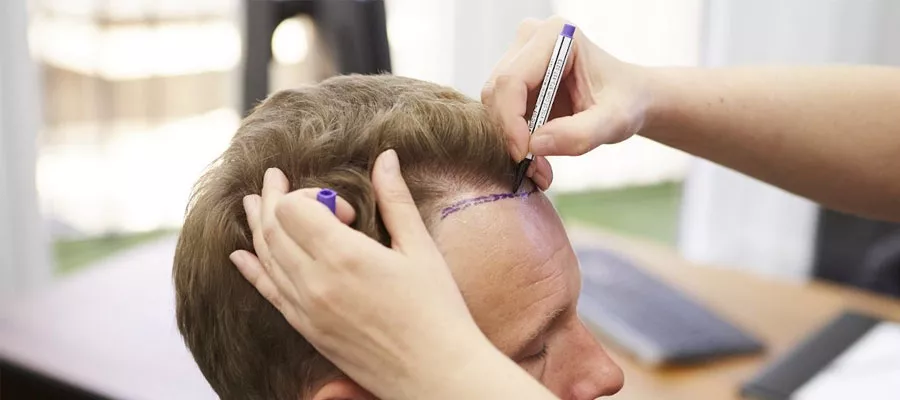
Beard transplant is performed by implanting hair follicles taken from the nape area one by one into the facial area.
Before the procedure, local anesthesia is applied and grafts are collected from the donor area using micro tools. Then, channels are opened in the beard area according to the natural hair growth direction. Grafts are placed into these channels and the procedure is completed. The entire process may take 4–6 hours and is planned according to individual needs. Redness and scabbing are normal in the first days. Transplanted follicles become permanent and natural-looking beard hair within 1 year.
What Are Beard Transplant Methods?
The most commonly used methods in beard transplant are FUE and DHI techniques.
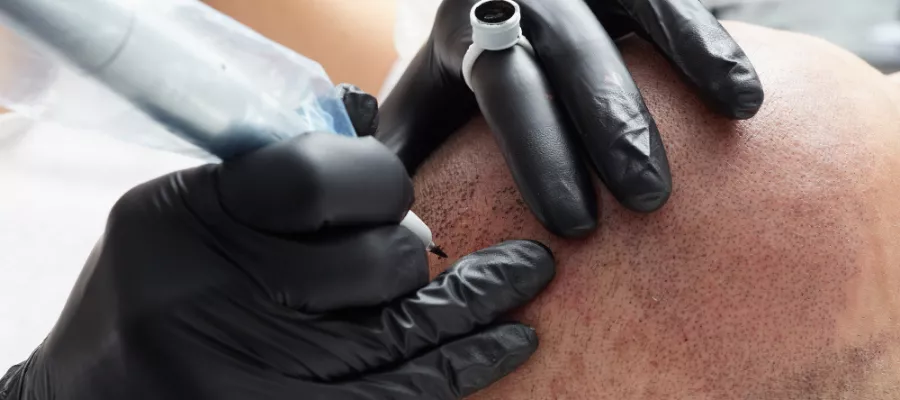
In the FUE technique, grafts are extracted with a micromotor and placed into opened channels. In the DHI method, grafts are implanted directly using a special pen. DHI provides a shave-free procedure option, less scarring, and faster healing. Manual FUE is preferred for those who want more sensitive and natural results. Method selection is determined based on skin structure, beard density needs, and aesthetic expectations. Each technique aims for a natural beard appearance.
How Long Does Beard Transplant Take?
Beard transplant usually takes 4 to 6 hours; graft number and technique affect duration.
Procedure time varies depending on the width of the transplant area and graft requirement. Planning is made according to needs ranging between 1000–3000 grafts. Transplant performed with FUE or DHI techniques is completed comfortably under local anesthesia. If the transplant area is very large, the procedure can be divided into two days. The patient can be discharged on the same day. Rest period is short and recovery is fast.
Is Beard Transplant Permanent?
Yes, beard transplant is permanent because transplanted follicles are taken from donor areas resistant to hair loss.
Transplanted grafts continue to live in their new location and grow naturally when shaved. Shock shedding may occur in the first 1–2 months but this process is temporary. Permanent hair starts to grow from the 3rd month and full results are seen in 12 months. Since graft survival rate is high, long-lasting beard appearance is achieved with correct planning and care. Results are natural and symmetrical.
Causes of Beard Loss / Beard Sparsity
Beard loss can occur due to genetic, hormonal, traumatic, or stress-related causes.
Genetic structure may appear as incomplete beard development during puberty. Hormonal imbalances such as low testosterone may also cause sparsity. Burns, surgery scars, or acne scars can create regional gaps. Stress, poor nutrition, and some skin diseases can cause temporary or permanent hair loss. Depending on the cause, medical or surgical treatment is planned. Beard transplant is an effective solution for permanent gaps.
Beard Transplant Techniques: FUE or DHI?
In beard transplant, FUE is preferred for wide areas, while DHI is preferred for dense and natural placement areas.
In the FUE method, grafts are collected and then placed into opened channels. In the DHI technique, grafts are implanted directly using a special pen. While DHI offers shave-free procedure and fast healing advantages, FUE is ideal when more grafts are needed. Both techniques provide successful results when applied according to natural angle and direction. Method selection should be determined according to beard structure, needs, and expectations.
When Does Beard Grow After Beard Transplant?
After beard transplant, new hair usually starts growing from the 3rd month.
In the first weeks, scabbing and redness occur, then most transplanted hairs fall out. This process is known as shock shedding. Permanent hairs start growing in the 3rd month and become noticeable in the 6th month. The clearest and densest results are seen between 9–12 months. Although the process varies from person to person, natural beard appearance is achieved with regular care and patience. Full recovery and beard growth take about 1 year.
Does Beard Transplant Hurt?
No, beard transplant does not cause pain during the procedure because it is performed under local anesthesia.
Before the procedure, the face and donor area are numbed, so the patient may only feel slight pressure. After anesthesia wears off, mild tingling or sensitivity may occur but can be easily controlled with painkillers. The recovery process is generally comfortable. Needle-free anesthesia options may also be offered for people with needle fear. Beard transplant performed by an experienced team is completed painlessly and safely.
Does Beard Transplant Leave Scars?
Beard transplant usually does not leave scars when performed with the correct technique.
Since micro-sized punches are used in FUE or DHI methods, the risk of scarring in both donor and transplant areas is minimal. In individuals with very sensitive skin, dot scars may occur but fade over time or can be hidden by shaving. Natural appearance is achieved when performed by a specialist doctor. Aesthetic integrity is preserved when the donor area is managed correctly. Proper care accelerates healing.
How Many Grafts Are Needed for Beard Transplant?
Generally, 1000 to 3000 grafts are needed for beard transplant.
While 1000 grafts may be enough to fill sparse areas, 2500–3000 grafts may be needed for a completely beardless face. Graft number is determined according to facial structure, beard goals, and existing hair density. Regional density and symmetry are considered for natural appearance. Donor capacity and transplant area measurement are clarified during examination. Transplant with sufficient grafts provides a natural and dense beard appearance.
Things to Consider After Beard Transplant
After beard transplant, not touching the transplant area and keeping it clean during the first week is very important.
After the procedure, scabbing, redness, and mild swelling may occur and this is normal. Contact with water should be avoided in the first 24–48 hours and recommended antiseptic lotion and gentle care products should be used. Avoid scratching the beard, removing scabs, and heavy exercise for the first 10 days. Sleeping face down should be avoided and sleeping with a high pillow is recommended. Healing becomes faster and smoother when medications and follow-up schedule are followed.
Beard Transplant Prices 2026
In 2026, beard transplant prices generally range between 15,000 TL and 45,000 TL.
Frequently Asked Questions
Is it harmful to go out in the sun after beard transplant?
Yes, direct sun exposure is harmful for the first 3 weeks after beard transplant.
Since newly transplanted grafts are sensitive, UV rays may cause irritation, dryness, and pigmentation changes. If you need to go outside, wearing a wide-brim hat and using high SPF sunscreen with doctor approval is important. Especially in the first 2 weeks, direct sun exposure must be strictly avoided. Sunlight may negatively affect graft survival, so protection is important during the process.
Does beard direction change over time after beard transplant?
No, beard direction stays at the angle it was implanted and does not change over time.
Beard grafts are implanted according to natural hair growth direction, providing a natural appearance long term. During transplant, the specialist plans hair direction according to facial structure and beard line. When this planning is followed, hairs do not deviate even as they grow longer. New hairs may be soft and short in the first months but become thicker over time and continue growing in the same direction.
Do beard gaps close after beard transplant?
Yes, beard gaps can close permanently after beard transplant with correct planning.
Grafts are implanted into missing or sparse areas to provide a symmetrical and dense appearance. After transplant, new beard hairs start growing from the 3rd month, density increases in the 6th month, and final results are achieved in the 12th month. Natural distribution is targeted by considering beard direction and density during planning. Correct application helps beard gaps close effectively.
Is alcohol consumption harmful after beard transplant?
Yes, alcohol consumption is not recommended during the first week after beard transplant because it may negatively affect recovery.
Alcohol may increase bleeding risk due to blood thinning effect and may make graft survival difficult. It may also slow recovery by suppressing the immune system. To reduce infection risk, prevent swelling, and avoid graft loss, alcohol should be avoided for the first 5–7 days. After this period, alcohol can be consumed carefully with doctor approval.
Can face massage be done after beard transplant?
No, face massage should not be done for the first few weeks after beard transplant.
Newly transplanted grafts are sensitive and pressure or friction may cause displacement. Massage movements may cause irritation, graft loss, and recovery delays. For the first 2–3 weeks, protecting the area and limiting care to recommended cleaning procedures is important. After the period recommended by the doctor, light touches may support blood circulation. However, intensive face massage is recommended after 1 month.
When can beard trimmer be used after beard transplant?
Beard trimmer use is generally recommended after 1 month following beard transplant.
During the first 3 weeks, all devices that contact the area should be avoided and shaving should not be done. After completing the first month, only surface trimming can be done. For full shaving, at least 2 months should be waited and machine should be preferred instead of razor. Procedure should be done after doctor check to ensure grafts are fully settled. This protects grafts and maintains aesthetic beard shape.