
What Is an Afro Hair Transplant?
An Afro hair transplant is a specialized transplant method designed for people with naturally curly hair. Because curly follicles have unique angles and a curved structure, the procedure requires more precision and expertise than standard hair transplantation. Preserving the natural Afro hairline is very important for a successful look. FUE or DHI techniques are adapted specifically for Afro hair types. Hair density and growth direction must be planned carefully. When performed with the right technique, results can look very natural.
How Is an Afro Hair Transplant Performed?
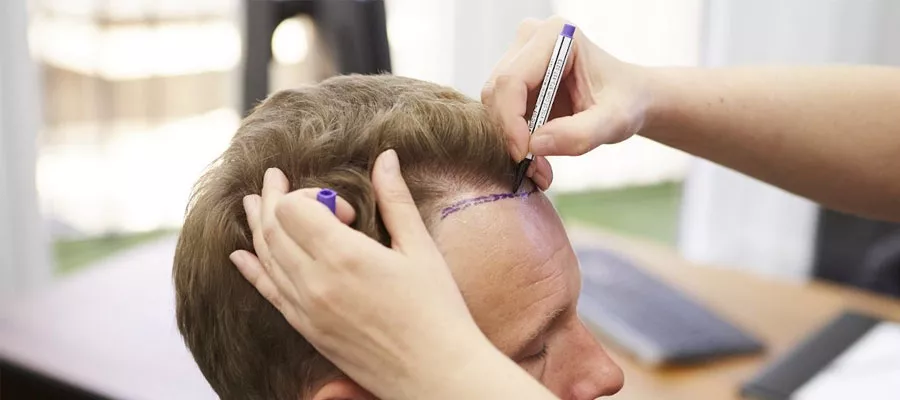
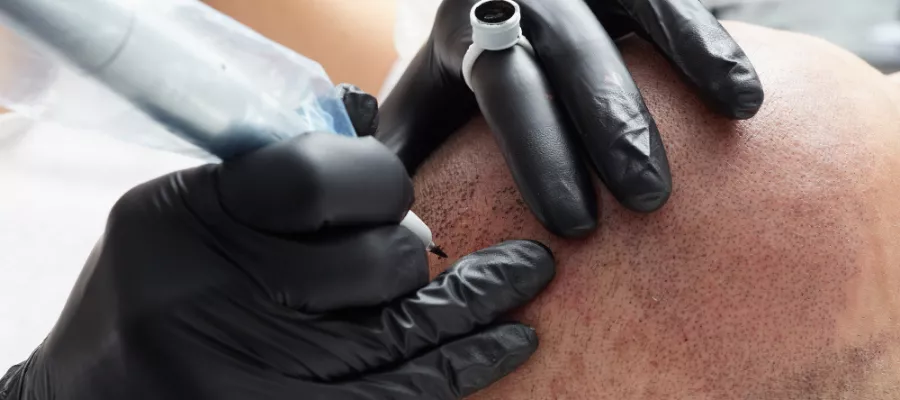
An Afro hair transplant is performed with FUE or DHI by extracting curly follicles one by one while paying close attention to angles and direction. While collecting grafts from the donor area, the natural curl pattern is considered. Follicles are removed carefully to avoid damage and are implanted at suitable angles. The hairline is planned in detail to protect the natural volume of Afro hair. The procedure time can vary depending on hair density and the difficulty of extraction. When done by an experienced specialist, results are usually successful and natural-looking.
Who Is It Suitable For?
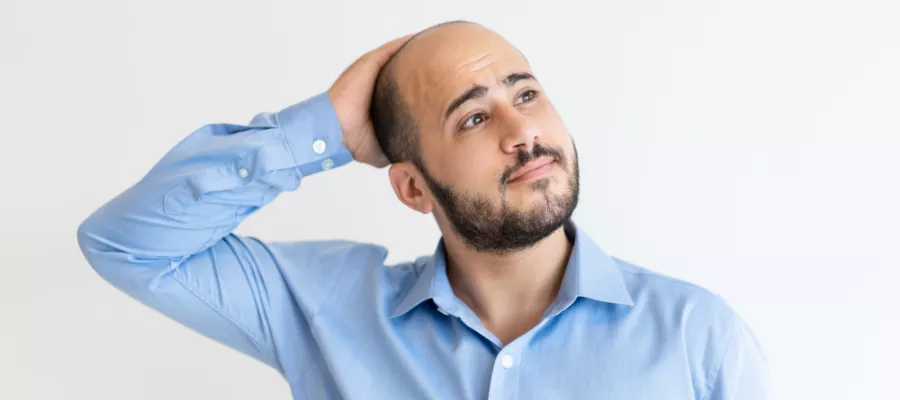
An Afro hair transplant is suitable for individuals with curly hair who experience hair loss. Men and women over 18 with enough healthy grafts in the donor area can be evaluated. The size of the bald area, hair density, and follicle health influence success. Results tend to be better in people with good overall health and habits that support healing. A specialist assessment before the procedure is important to confirm suitability.
Who Is Not Suitable For?
An Afro hair transplant may not be suitable for people with severe hair disorders, insufficient donor area, or uncontrolled chronic conditions. It can also be risky for those with active scalp infections, widespread hair loss such as alopecia universalis, or bleeding disorders. Heavy smoking and alcohol use may negatively affect healing. Because Afro hair is more complex, procedures done by inexperienced teams carry a higher risk of failure. For this reason, the pre-evaluation step is critical.
Why Does an Afro Hair Transplant Require a “Special Technique”?
An Afro hair transplant requires special technique and experience because curly follicles are also curved under the skin. Compared to straight hair, graft extraction is more complex because the follicle path is not linear. If grafts are removed at the wrong angle, follicles can be damaged and the success rate may drop. Designing a natural Afro hairline also needs careful aesthetic planning. With the right technique and skilled hands, a natural result is achievable.
Afro Hair Transplant: FUE or DHI? When Is Each Preferred?
In Afro hair transplantation, FUE is often preferred for dense and strong donor hair, while DHI may be chosen when a more detailed hairline is needed. FUE can offer controlled extraction, but it demands extra care due to the curly follicle structure. DHI allows direct implantation without pre-made channels, which can help in hairline areas requiring precision. The best choice depends on hair density, curl pattern, and aesthetic goals. Both methods require high expertise when used for Afro hair.
Can Afro Hair Transplant Be Done Without Shaving (Unshaven)?
Afro hair transplantation can be done without shaving in small, limited areas, but shaving may be required for larger zones. With DHI, unshaven implantation may be possible, yet it takes longer and needs advanced skill. If the bald area is wide, partial shaving of the donor area is often preferred for efficiency and quality. While unshaven technique offers aesthetic comfort, it may not be suitable for everyone. This request should be evaluated during the consultation.
How Long Does an Afro Hair Transplant Take?
An Afro hair transplant can take about 6 to 10 hours because curly follicles are more complex to extract and implant. During this time, graft extraction, angle planning, and careful implantation are performed step by step. The curly structure can make the procedure more time-consuming. For large areas, a two-day plan may be considered. The exact duration depends on graft number and hair characteristics, and it is set by the specialist. Good planning before the procedure supports a more comfortable experience.
Recovery After an Afro Hair Transplant
Initial recovery after an Afro hair transplant is usually completed within 7 to 10 days. Scabbing and redness in the early days are normal. Because of curly hair structure, follicle settling may take slightly longer. Mild sensitivity in the donor area can occur, and aftercare instructions should be followed closely. The first wash is usually done 2 to 3 days after the procedure. Physical strain and sun exposure should be avoided. Hat use should be planned according to the doctor’s advice. Full recovery and a natural look may take several months.
When Does Shock Loss (Shedding) Start? Is It Normal?
Shock loss after an Afro hair transplant usually starts within 2 to 4 weeks, and it is completely normal. This shedding happens so that transplanted hairs can fall out temporarily and later regrow stronger. In curly hair, this phase may sometimes last a few weeks longer. The follicles remain under the skin and continue the growth cycle. It is not usually a warning sign. Following the process patiently and keeping follow-up visits is important.
When Do Afro Hair Transplant Results Appear?
Afro hair transplant results usually become noticeable from month 6, while full results may take up to 12 months. In the first three months, hair can look weak and sparse. After month 6, volume and curl definition become clearer. Afro hair may need more time to reach its natural shape. Regular aftercare and following medical advice can directly influence results. Outcomes depend on hair density, graft quality, and the chosen method. Patience is key for a lasting look.
Is an Afro Hair Transplant Permanent?
An Afro hair transplant can provide permanent results when grafts are taken from a healthy donor area and implanted with the correct technique. After the procedure, transplanted hair grows like natural hair and usually has a low risk of shedding. However, hormonal, genetic, or health-related hair loss can affect long-term appearance. With proper planning, good aftercare, and healthy habits, results can last for many years. Permanence is closely linked to the surgeon’s experience and the person’s overall health.
Risks and Complications of an Afro Hair Transplant
After an Afro hair transplant, risks such as infection, graft loss, or unnatural hair direction can rarely occur. Because curly follicles are complex, follicle damage may happen during extraction if technique is not precise. Incorrect angles during implantation may also cause unnatural-looking outcomes. Complication risk is higher when the procedure is performed by inexperienced teams. Temporary effects like swelling, redness, or slower healing can also happen. These risks can be minimized with an expert team and correct technique.
Afro Hair Transplant Prices 2026
In 2026, Afro hair transplant prices may range between 50,000 TL and 140,000 TL depending on the technique and graft count.
Frequently Asked Questions
Why Are Grafts Harder to Extract in Afro Hair?
Afro hair follicles are also curved under the skin, so grafts can be more easily damaged during extraction. This internal curl makes the process more complex than with straight hair. If the follicle is not captured at the correct angle, the graft may break or become unusable. For this reason, special tools and experienced specialists are needed. Healthy extraction directly affects transplant success.
Is FUE or DHI Better for Afro Hair Transplant?
In Afro hair transplantation, FUE is often preferred because it provides more control during graft extraction. Due to the higher risk of follicle breakage, careful FUE extraction can improve success. However, DHI can be an advantage when a natural-looking hairline is the priority. The best option depends on hair characteristics, the target area, and the doctor’s experience. In general, FUE is strong for extraction control, while DHI is effective for dense and direction-focused implantation.
Does Afro Hair Transplant Look Natural? How Is the Hairline Planned?
An Afro hair transplant can look natural when angles and direction are planned correctly, and the hairline is designed based on facial features. Implantation at angles suitable for curly hair helps mimic natural density and flow. Hairline planning is customized according to forehead shape, age, hair type, and expectations. Especially for Afro hair, preserving natural volume while building the hairline supports a more aesthetic result. Specialist experience is a key factor in this stage.
How Many Grafts Are Needed and How Is Density Calculated?
An Afro hair transplant usually requires about 2,000 to 4,000 grafts, depending on the area and existing density. Curly hair creates more visual volume than straight hair, so a dense look can often be achieved with fewer grafts. Density calculation is based on the number of grafts per square centimeter. In many cases, around 30–40 grafts/cm² can be enough. Before the procedure, analysis of the recipient area and donor density helps determine the ideal graft amount.
If the Donor Area Is Insufficient, Can Beard/Body Hair Be Used?
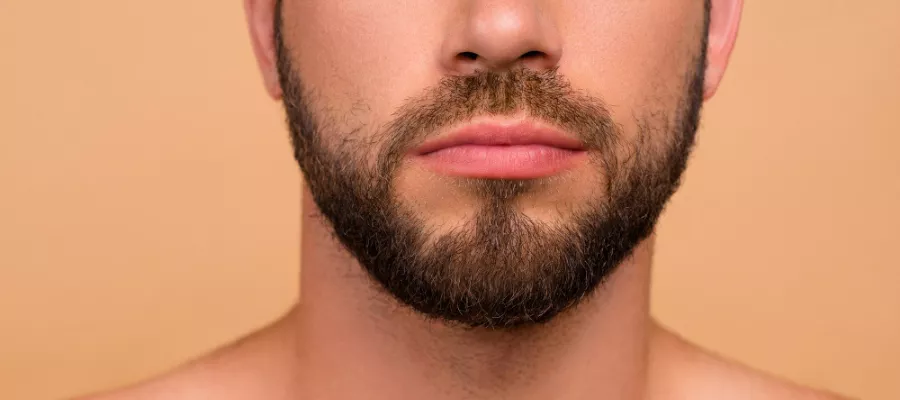
If the donor area is not sufficient, beard or body hair can be used as support in suitable cases. When the back of the scalp is weak, beard hair can be a strong alternative because it is thick and dense. However, since it may not match the curl pattern perfectly, it is usually used in limited zones for better aesthetic harmony. It is commonly placed in less visible areas such as the crown. Mixed graft planning must be done carefully for a balanced result.
Can Unshaven Afro Hair Transplant Be Done?
An unshaven Afro hair transplant can be done for small areas, but larger zones may require partial shaving. With unshaven DHI, limited implantation is possible, yet extraction and implantation time becomes longer. Because curly hair adds technical difficulty, the procedure requires advanced skill. For wide bald areas, trimming can be helpful for better control and success. The final plan for an unshaven approach should be confirmed during consultation.