
What Is DHI Hair Transplant?
DHI hair transplant is a modern technique where grafts are implanted directly into the scalp with a special pen, without incisions. The method stands for “Direct Hair Implantation” and performs channel creation and graft placement at the same time. This reduces the time follicles stay outside the body and can improve graft survival. Because implantation can follow the natural hair direction closely, it is highly advantageous in terms of aesthetics. It is often preferred by people who want dense, controlled results. Recovery is usually fast and the risk of visible scarring is low.
How Is DHI Hair Transplant Performed?
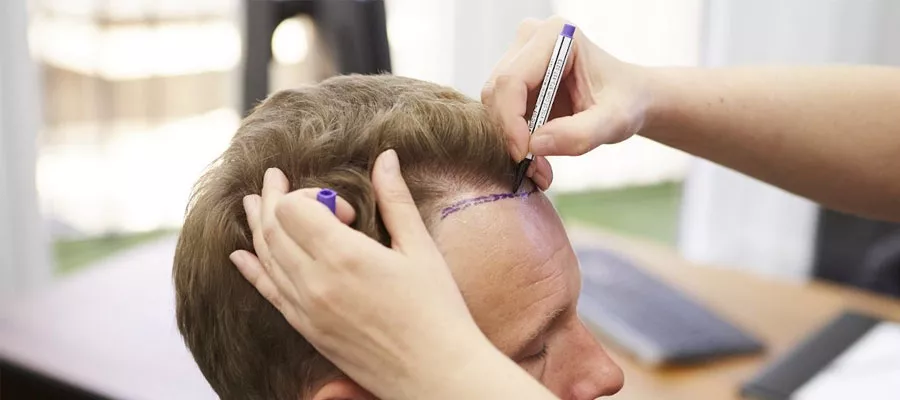
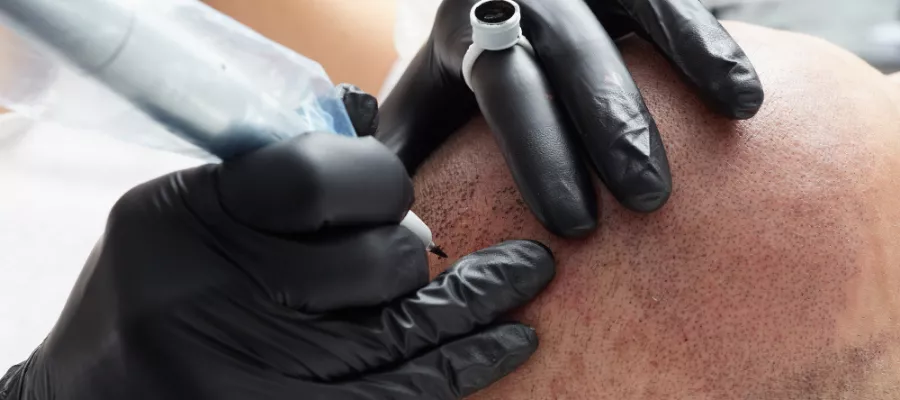
DHI hair transplant is performed by extracting grafts with a micro-motor and implanting them directly using a “Choi implanter pen.” After grafts are collected, the pen allows simultaneous channel creation and placement. This keeps the grafts outside the body for a minimal time and reduces graft loss. The pen also helps adjust the angle and direction more precisely. The procedure is done under local anesthesia for comfort. DHI is especially advantageous for front hairline design and areas that require dense implantation. Recovery is short and the natural look is typically high.
What Is the Difference Between DHI and FUE?
With DHI, grafts are implanted directly using a special pen, while in FUE channels are opened first and grafts are placed afterward. DHI shortens the time grafts remain outside, which can lead to higher survival. In FUE, channel opening is a separate step, so the total procedure may be faster but with less fine control. DHI allows denser implantation and better direction control, making it ideal for the front hairline. FUE is often more suitable for larger areas. The advantages of each method depend on the treatment goal.
Who Is It Suitable For?
DHI hair transplant is suitable for people who want a natural look, have limited hair loss, and aim for dense implantation. It can be effective for individuals with a defined front hairline and a generally thin hair structure. It is also ideal for women or patients with high aesthetic concerns who do not want to shave their hair. It is preferred when the donor area is sufficient and direction control is important. People with genetic hair loss but preserved hair-bearing areas may benefit the most. Suitability should be confirmed through professional evaluation.
Who Is Not Suitable For?
DHI hair transplant may not be suitable for people with advanced hair loss and a weak donor area. In very large bald areas, the desired density may be difficult to achieve. The procedure should be postponed if there is an active scalp skin condition, infection, or open wound. DHI is not preferred when there are no viable donor follicles left. Risks can also increase in uncontrolled systemic conditions such as heart disease or diabetes. People with unrealistic expectations may not be satisfied with outcomes. Suitability must be determined by a specialist.
Can DHI Be Done Without Shaving (Unshaven Transplant)?
Yes, DHI can be performed without shaving (unshaven) and is often preferred by people with aesthetic concerns. This allows the existing hairstyle to be preserved and helps hide the transplanted area. It is ideal for women and individuals who do not want to disrupt social life. However, the size of the bald area can affect whether this option is practical. It is usually preferred in patients with limited hair loss. Unshaven DHI requires high precision and experience. It offers a natural look and a relatively short recovery period.
How Many Grafts Are Implanted with DHI?
In DHI hair transplant, typically around 1,500 to 3,500 grafts can be implanted. The graft count depends on the size of the thinning area and the density of the donor region. Because DHI allows dense and controlled placement, it may create a fuller look with fewer grafts. For very large areas, classic FUE may be more suitable. Graft capacity is directly related to procedure time and quality. Donor status is one of the most important factors in planning. A personalized graft plan is created after specialist evaluation.
How Long Does a DHI Hair Transplant Take?
A DHI hair transplant usually takes about 6 to 10 hours, depending on the number of grafts. Because each graft is implanted one by one with precise direction control, the procedure often takes longer than FUE. Detailed work is done to achieve a dense and natural look. The session is usually completed in one day, but in some cases it may extend to a second day. Local anesthesia provides comfort and patients typically do not feel pain during the procedure. The time required is a natural result of the careful technique.
When Do DHI Results Settle?
After a DHI hair transplant, final results typically settle clearly within 8 to 12 months. Shock loss may occur in the first 2–3 months and is considered normal. New hair usually starts growing from the 3rd month, and a noticeable look is often seen by the 6th month. By 1 year, hair reaches a more natural thickness, direction, and density. Result quality depends on genetics, aftercare, and the practitioner’s experience. Patience and following professional advice are important. The final aesthetic effect is often best at month 12.
Is DHI Hair Transplant Permanent?
DHI hair transplant can provide permanent results when follicles that are resistant to hair loss are used. These grafts are taken from the back of the scalp and can continue producing hair for life once adapted. However, permanence is closely linked to technique and aftercare. Healthy nutrition, stress control, and proper hair care help protect results long term. In rare cases, thinning may still occur over time due to genetic or hormonal factors. Overall, with correct application, DHI offers a permanent and natural solution.
DHI Hair Transplant Risks and Side Effects
DHI hair transplant is generally safe, but like any procedure, it can involve some side effects. The most common are temporary redness, scabbing, and mild swelling. Rarely, infection, poor graft survival, or direction issues may occur. People with sensitive skin may experience itching or slower healing. These effects are usually temporary and improve quickly with proper care. When performed in a hygienic setting by experienced professionals, complication rates are low. Regular follow-up is important.
When Can You Wear a Hat/Helmet After DHI?
After DHI, wearing a hat or helmet is not recommended for the first 7–10 days. This period is critical for grafts to fully settle in place. Any contact with the head during the early days can shift or damage grafts. If it is necessary, wide and loose hats may be used with professional approval. After day 10, soft accessories that do not apply pressure can be preferred. For hard helmets, a 2-week healing period should be completed. The final decision should be made with the doctor’s guidance.
When Can You Exercise, Swim, or Use Sauna After DHI?
After DHI, intense exercise, swimming, and sauna are usually paused for the first 2–4 weeks. The early weeks are sensitive for graft survival, and sweating, water exposure, and heat can delay healing. Low-intensity activity like light walking may be started carefully after 7–10 days. Swimming in the sea or pool often requires about 4 weeks, as chlorinated water can increase infection risk. Sauna and steam baths, which involve high heat and heavy sweating, are often delayed 4–6 weeks. Exact timing should be planned with the doctor, since healing speed and graft density can affect these limits.
DHI Hair Transplant Prices 2026
In 2026, DHI hair transplant prices vary by technique, graft count, and clinic experience, and are typically around 50,000 TL to 180,000 TL.
Frequently Asked Questions
Is There an Ideal Age Range for DHI Hair Transplant?
The ideal age range for DHI hair transplant is generally between 25 and 60, while younger patients may need planning until the genetic pattern becomes clearer. In the early 20s, if shedding is still ongoing, a long-term strategy is important. After 25, the hair loss pattern is often more stable, making planning more reliable. DHI can also be performed over age 60, but overall health and hair density should be evaluated carefully. Suitability is determined with a personalized assessment. Age alone is not a strict barrier; donor capacity and the hair loss pattern are more decisive.
Which Blood Tests and General Checks Are Requested Before DHI?
Before DHI, doctors commonly request a complete blood count (CBC), clotting tests (PT/INR, aPTT), blood sugar (glucose), and liver and kidney function tests. Some clinicians may also request vitamin D, iron, and a hormone profile (especially testosterone/DHT) when needed. These tests help assess general health and tolerance to anesthesia. Chronic conditions, medications, and allergy history are also reviewed in advance. The exact test list is decided by the doctor and adapted to the patient’s medical history. These checks are important for a safe procedure.
Do Chronic Conditions Like Diabetes or Thyroid Disease Affect DHI Results?
Chronic conditions like diabetes and thyroid disease can affect DHI outcomes, but risk is lower when the condition is well controlled. In diabetes, healing may be slower and infection risk can be higher. With thyroid disorders, hair quality and shedding speed can change, which may influence results. If the condition is monitored regularly and managed with medication, hair transplant can usually be performed safely. A detailed health evaluation and medical approval are important before surgery. Planning is individualized to reduce risk and improve outcomes.
If I Use Finasteride or Minoxidil, How Is It Managed Before and After Transplant?
People using finasteride or minoxidil can often continue these medications before a hair transplant, but the doctor should be informed. Minoxidil is commonly paused about 3–5 days before the procedure because it may irritate the scalp. After the transplant, minoxidil may be restarted within about 2–4 weeks, while finasteride may be continued immediately or as advised. These medications can help protect existing hair and support long-term stability. They may positively support overall results. Timing should be planned under professional guidance.
How Much Does Smoking Affect DHI and How Long Should You Stop?
Smoking can negatively affect DHI results by slowing healing and reducing graft survival. Nicotine narrows blood vessels and lowers oxygen delivery to follicles. This can increase the risk of graft loss and reduce success. Many clinics advise stopping at least 1 week before and 2 weeks after the procedure. Ideally, the break should be longer. Quitting completely is the healthiest option. Smoking can also reduce hair quality in the long term.
Is Caffeine (Coffee/Energy Drinks) a Problem on the Day of the Procedure?
Caffeinated coffee or energy drinks are not recommended on the day of the procedure because they may affect blood pressure and heart rate. Caffeine can also increase anxiety and make the experience less comfortable. It may influence blood flow due to its vascular effects. Avoiding caffeine on the procedure day and the day before is often recommended. Water intake should be increased to support body balance. Some doctors also recommend limiting caffeine for a few days after. Intake can be reintroduced based on medical advice.
How Should I Sleep in the First Week; Does Side Sleeping Affect Grafts?
In the first week, you should sleep on your back with your head slightly elevated, as side sleeping can shift grafts. The graft settling period is critical in the first 7–10 days, so pressure and friction should be avoided. Using a higher pillow can also help reduce swelling. Sleeping on the side or face-down can damage grafts through rubbing or direct contact. Extra care is needed especially during the first 3–4 nights. Special pillows designed to protect the head can also be helpful.
How Long Does Swelling Last and What Helps Reduce It?
Swelling after hair transplant usually lasts about 2 to 5 days and may appear around the forehead and eyes. To reduce it, keep the head elevated and drink plenty of water from the first days. Anti-inflammatory medication recommended by the doctor can help. Cold compress may be advised in some cases, but it should not touch the graft area directly. Avoid salty foods and alcohol to help control swelling. Physical effort should be limited in the first 48 hours. Swelling usually resolves on its own and does not leave permanent marks.
If Itching Occurs, How Can It Be Relieved Without Damaging Grafts?
If itching occurs, soothing sprays and doctor-recommended lotions can help without harming grafts. Scratching with nails or applying pressure can damage grafts and should be avoided. Lightly touching with the palm or using gentle cooling solutions may give temporary relief. Mild washing as advised can also reduce itching as scabs soften. Itching is a normal part of healing and usually decreases within about a week. If itching becomes severe, a doctor should be consulted for additional care options.