
What Is Sideburn Transplant?
Sideburn transplant is an aesthetic procedure performed by transferring hair follicles to the sideburn area between the cheek and the ear.
This procedure is used to fill gaps in the sideburns caused by genetic thinning, shaving scars, wounds, or asymmetry. Grafts taken from the back of the scalp are implanted into the sideburn line with a natural angle and direction. It is performed under local anesthesia and usually takes about 2–3 hours. Sideburn transplant helps define facial features, creating a more symmetrical and stronger look. It also completes the aesthetic transition between hair and beard.
How Is Sideburn Design Planned?
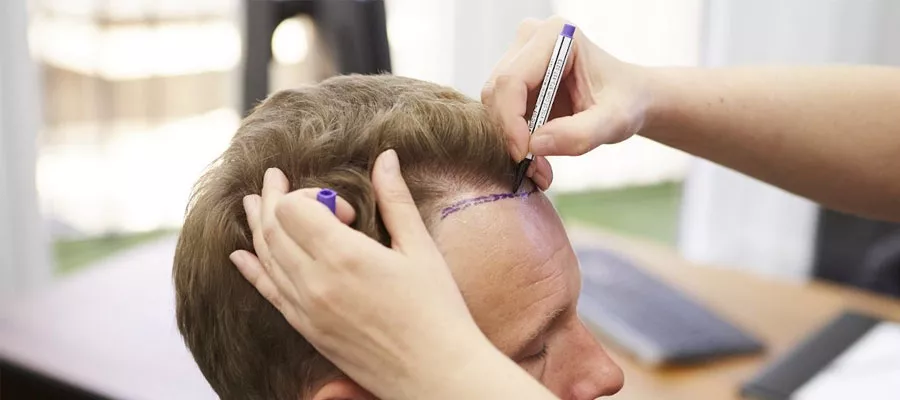
Sideburn design is planned with natural angles and density based on the face shape and the hair-beard structure.
First, the existing sideburn line and facial symmetry are evaluated. Then the sideburn line is determined in a way that matches the hairline and creates a natural transition. A contour is created with single-hair grafts, while the inner areas receive density with multi-hair grafts. The implantation direction must match the natural direction of both beard and hair. A correct design balances the lower part of the face and strengthens the aesthetic appearance.
What Is Sideburn Transplant Used For?
Sideburn transplant fills missing or sparse sideburn lines, defines facial contours, and improves symmetry.
The sideburn area is a key aesthetic point where hair and beard meet. Thinned or absent sideburns can disrupt facial proportions. Sideburn transplant permanently closes gaps in this area, creating a sharper and more masculine look. It can also camouflage scars in the region. It is an effective solution for anyone who wants to complete the hair-to-beard transition in a more aesthetic way.
What Is the Difference Between Sideburn Transplant and Beard/Mustache Transplant?
Sideburn transplant targets only the side facial line, while beard and mustache transplants cover wider facial areas.
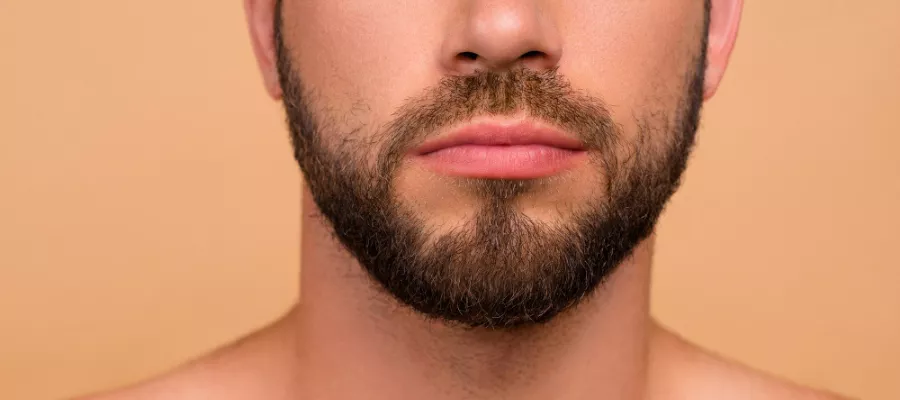
The sideburn area is a narrow zone between the front of the ear and the cheek, and the goal is a natural transition with fewer grafts. Beard transplant focuses on the jaw, cheeks, and neckline, while mustache transplant focuses on the upper lip. Although similar techniques are used, the design, direction, and density requirements differ. In sideburn transplant, the main focus is aesthetic transition, symmetry, and harmony between hair and beard. Beard and mustache transplants are usually done for fuller coverage and style-focused density.
Who Is It Suitable For?
Sideburn transplant is suitable for healthy individuals who have gaps or asymmetry in the sideburn area.
Anyone with a hairless area in the sideburn region due to genetic thinning, scars, burns, or trauma can benefit from this procedure. It is also ideal for people who want to improve the hair-to-beard transition and define facial features. High success can be achieved in individuals with a suitable donor area and good overall health. Sideburn transplant can be applied to adults of many ages who want to complete their aesthetic look.
Who Is Not Suitable For?
Sideburn transplant is not suitable for people with active skin diseases or insufficient donor grafts.
It is also not recommended for individuals with serious systemic diseases, clotting disorders, or those using medications that can negatively affect healing. If there are skin problems such as infection, fungus, or eczema, these should be treated first. In people with weak donor areas, the desired density may not be achieved. For this reason, a dermatological evaluation before the procedure is necessary.
How Many Grafts Are Needed for Sideburn Transplant?
For sideburn transplant, 200 to 500 grafts are usually sufficient.
The required graft number depends on the size of the gap, symmetry needs, and the target density. In mild thinning, 200 grafts may be enough, while bilateral gaps may require 400–500 grafts. For a natural look, single-hair grafts are preferred and angles are adjusted with high precision. Because it uses a small number of grafts, the procedure is completed in a short time and recovery is typically fast.
Why Are Angle and Direction Critical for a Natural Look?
For a natural sideburn appearance, the exit angle and direction of hairs must be planned correctly.
The sideburn area is where hair and beard intersect, and hairs here usually grow slightly angled and more horizontal toward the face. If grafts are implanted at the wrong angle, the result may look unnatural and stick out. For this reason, each graft’s angle, direction, and density must be planned according to natural anatomy. These technical details play a key role in achieving an aesthetic and symmetrical transition. Otherwise, results can look less natural.
Which Technique Is Used for Sideburn Transplant?
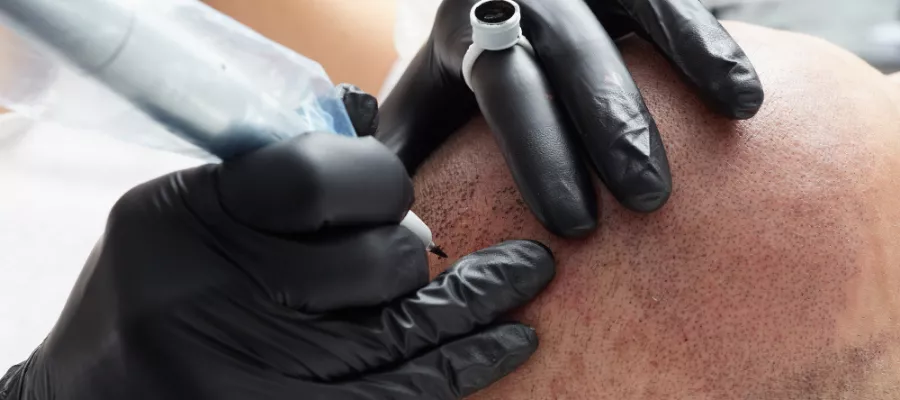
Sideburn transplant is usually performed with FUE or DHI techniques using a micro-motor or a special implantation pen.
With FUE, hair follicles are taken from the donor area and placed into the sideburn line after creating channels. With DHI, grafts are implanted directly using a special pen. Regardless of the method, the key is achieving natural angle, direction, and density. The procedure is planned individually to maximize aesthetic harmony. The technique is selected based on graft count and skin structure.
Where Is the Donor Area?
In sideburn transplant, the donor area is usually the back of the scalp and the area behind the ear where follicles are strong.
Hair follicles in these areas are more resistant to shedding, so they provide permanent results when transferred to the sideburn line. Donor quality directly affects success. The grafts are selected mainly as single follicles and implanted according to the sideburn direction. Scarring in the donor area is minimal and can be easily hidden once hair grows. The donor region heals quickly and the aesthetic look is preserved.
Is Sideburn Transplant Performed Under Local Anesthesia?
Yes, sideburn transplant is performed painlessly under local anesthesia.
Before the procedure, both the donor and implantation areas are numbed locally. This prevents pain or discomfort during the procedure. Local anesthesia also makes the recovery period more comfortable. It is usually applied with a needle, but needle-free anesthesia options can also be available. Thanks to this, sideburn transplant becomes a comfortable, safe, and non-tiring process.
How Long Does Sideburn Transplant Take?
Sideburn transplant usually takes about 2 to 3 hours depending on the number of grafts.
Procedure time varies based on the degree of thinning, planned graft amount, and the chosen technique. In many cases, a total of 300–500 grafts are implanted into both sideburn areas. Because the treated area is small, the procedure is completed quickly and comfortably. Patients can usually go home the same day and return to daily life within a few days. This short procedure provides a permanent and natural-looking result.
When Do Sideburn Hairs Start Growing?
After sideburn transplant, new hairs usually start growing from the 3rd month and reach a stable look by the 12th month.
In the first 2 weeks, grafts settle, and shock shedding during this period is normal. Between months 3 and 4, new fine hairs begin to appear, but they may look weak at first. By the 6th month, sideburns become more visible and density increases. Around the 9th month, the sideburn line gains a more symmetrical and natural look. Results are usually fully established by 12 months. During this period, consistent aftercare and sun protection are very important.
Is Sideburn Transplant Permanent?
Sideburn transplant is permanent because grafts are taken from the donor area that is resistant to shedding and can last for life.
When performed with correct technique, follicles continue to grow in the sideburn line for many years. These follicles are genetically resistant to shedding, which makes the result long-lasting. However, aftercare in the first weeks plays a key role in healthy graft survival. If grafts settle properly, the sideburn line becomes natural, permanent, and dense.
Sideburn Transplant Risks and Complications
Sideburn transplant is a low-risk procedure, but temporary issues such as mild swelling, scabbing, or infection can occur.
In the first days, redness, itching, or sensitivity can be normal. Rarely, grafts may not survive, asymmetry may occur, or folliculitis (hair follicle inflammation) can develop. These complications are usually temporary and can be controlled with proper aftercare. When performed under hygienic conditions, serious risks are uncommon. Having the procedure done by an experienced specialist helps minimize complication risk.
Sideburn Transplant Prices 2026
In 2026, sideburn transplant prices typically range between 12,000 TL and 25,000 TL depending on the clinic and graft count.
Frequently Asked Questions
How Risky Is Sleeping Face-Down/On the Side in the First 48 Hours?
Sleeping face-down or on the side in the first 48 hours can cause grafts to shift and carries a serious risk.
Newly implanted grafts are fragile during the first two days and can move easily. Pressure on the implantation area may lead to graft displacement, loss of angle, or graft loss. This risk is higher in sideburn, beard, or mustache transplants because side sleeping increases contact with the area. The safest sleeping position is on the back with the head slightly elevated and well supported. For the first 2 nights, travel pillows or soft rolled pillows can help keep the head stable and protect grafts. This precaution improves success and supports smoother healing.
Does Mask Use (Medical/Cloth) Affect the Transplanted Area and How Many Days Should You Be Careful?
After beard, mustache, or sideburn transplant, mask contact with the implanted area can increase graft loss risk during the first 10 days.
During this period, friction from mask straps or fabric can reduce graft stability. Ear-loop masks may place pressure on the sideburn line and can disturb hair direction. For the first 7–10 days, loose masks that do not touch the face directly should be preferred. If a mask is necessary, fixing it with medical tape can reduce contact. Non-contact solutions such as face shields can also help protect grafts during this sensitive phase.
Does Water Pressure During Showering Cause Problems in the First 10 Days?
Yes, using high water pressure during the first 10 days can damage grafts.
Because grafts are not fully secured yet, strong direct water flow can dislodge grafts or increase infection risk. Showering should be done so that water does not hit the transplanted area directly. Use lukewarm water with low pressure and clean gently in a controlled way. Recommended shampoos should be applied as foam, and rinsing should be done carefully by guiding water with the hand. Especially in the first week, water force is as important as hygiene.
If Scabs Fall Off Early, Does It Always Mean Graft Loss?
No, early scab shedding does not always mean graft loss, but careful observation is important.
Scabs that form in the first 7–10 days create a protective layer around the grafts. It is normal for scabs to fall off gently and on their own. However, scratching, rubbing, or strong contact can harm grafts. If a hair follicle comes out together with the scab, it may indicate graft loss. But scab shedding alone is usually part of the healing process. Following the aftercare routine recommended by the doctor helps support healthy graft survival.