
What Is Needle-Free Anesthesia?
Needle-free anesthesia is a painless numbing method where a local anesthetic is delivered into the skin using pressure. In this system, no needle is used; a special device sends the anesthetic under the skin with high pressure. It was developed especially for patients with needle phobia. It is preferred in many areas such as hair transplant, dental treatments, and aesthetic procedures. The application time is short and it does not cause a stinging or burning sensation. It provides localized numbness without needle-related risks. It is widely used in modern clinics and improves patient comfort.
How Is Needle-Free Anesthesia Applied?
Needle-free anesthesia is applied by delivering the anesthetic under the skin with high pressure using a special device. The device pushes the liquid through a very fine channel and creates numbness within seconds. It is much more comfortable than classic needle-based anesthesia. Since no needle is used, bleeding, bruising, or pain usually does not occur. Its use is increasing in procedures that require local anesthesia. The effect starts quickly and the numbness lasts long enough for many localized procedures. It is a practical method with high patient comfort.
Where Is Needle-Free Anesthesia Used?
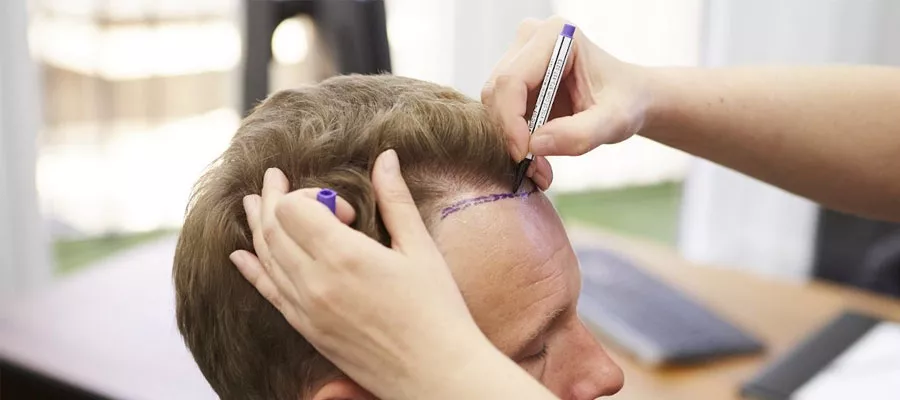
Needle-free anesthesia is used in areas that require pain control, such as hair transplant, dental treatments, and minor surgical procedures. One of the most common uses is hair transplant operations. In dentistry, it provides comfort before fillings and extractions. It is also used in aesthetic procedures to improve comfort before injections. It can be preferred in minor skin procedures, as well as treatments like mesotherapy and botox. It offers psychological relief for people with fear of needles. Because it is safe, fast, and effective, its use in medical practice continues to grow.
Difference Between Needle-Free Anesthesia and Classic Needle Anesthesia
Needle-free anesthesia is applied without needles and with minimal discomfort, while classic anesthesia is applied via needle injection. In the needle-free method, the anesthetic is delivered under the skin by pressure, so the patient does not feel needle pain. In the classic method, a mild burning or stinging sensation can occur when the needle enters. With the needle-free system, the risk of bruising, bleeding, and infection is lower. It is also faster and more comfortable. However, in some situations, classic anesthesia may last longer. The best option depends on the procedure type, duration, and patient preference.
Does Needle-Free Anesthesia Completely Stop Pain?
Needle-free anesthesia greatly reduces pain in the treated area and often prevents it completely. The anesthetic delivered by pressure penetrates under the skin quickly and numbs the nerve endings. With this method, the patient can go through the procedure without needle stinging, burning, or discomfort. It provides sufficient numbness for many local procedures. However, in some deeper applications, mild sensitivity may remain. Correct dose and correct technique increase effectiveness. Overall, it offers a comfortable and mostly pain-free experience.
Advantages of Needle-Free Anesthesia
Needle-free anesthesia removes needle fear and significantly improves patient comfort. The risk of bleeding, bruising, and infection is very low. Application is quick and the anesthetic effect starts immediately. It is widely preferred in hair transplant, dental procedures, and aesthetic applications. It provides psychological comfort for children and people with needle phobia. Recovery is generally more comfortable. It offers enough numbness for many local procedures and does not limit movement. It is an effective solution that increases patient satisfaction in modern clinics.
Disadvantages of Needle-Free Anesthesia
Needle-free anesthesia may not provide enough depth of numbness for every procedure. Its effect may be limited in long or deeper interventions. The pressure-based application can rarely cause temporary redness or sensitivity on the skin. It may be more costly than classic needle anesthesia. Also, not every clinic has this technology, so access can be limited. In some patients, the effect may be shorter and an extra application may be needed. It can also be limited depending on how wide the treated area is. It may not be sufficient alone for all procedures.
Who Is It Suitable For?
Needle-free anesthesia is very suitable for people with needle fear and those with low pain tolerance. It is also a safe alternative for children, people with anxiety, and those who feel nervous about aesthetic procedures. It is a comfortable option for patients who need local procedures but prefer to avoid needle-based methods. It can be used in areas such as hair transplant, dental care, fillers, botox, and skin procedures. Anyone with a suitable skin structure may benefit from this method. However, classic anesthesia may still be needed in some advanced cases. Suitability should be evaluated by a specialist.
How Long Does Needle-Free Anesthesia Take?
Needle-free anesthesia application usually takes between 5 and 15 minutes and provides fast numbness. The duration depends on the size of the area and the type of procedure. Since the anesthetic is delivered directly under the skin with pressure, its effect can start within seconds. There is no needle-related pain or stinging during the process. The duration of effect is similar to classic local anesthesia. Both preparation and application are fast. This method saves time while providing comfort.
Is Needle-Free Anesthesia Safe?
Needle-free anesthesia is very safe when applied with the correct technique. Since the anesthetic is delivered under the skin without a needle, needle-related risks are eliminated. Problems such as bruising, infection, and needle phobia are minimized. Mild redness can occur after application, but it is temporary. It is ideal for children, anxious patients, and people having aesthetic procedures. Before the procedure, allergy history should be reviewed to confirm suitability. Because it is safe and practical, it is often preferred in modern clinics.
Needle-Free Anesthesia Prices 2026
In 2026, needle-free anesthesia prices may range between 1,000 TL and 8,000 TL depending on the procedure type and treated area.
Frequently Asked Questions
Can It Trigger Migraine?
Needle-free anesthesia generally does not trigger migraines and can be used safely in people with migraine history. However, procedures applied around the head may be triggering for some sensitive individuals. Stress, light, and noise after the procedure can also affect migraines. The sound of the device or the pressure sensation may rarely cause discomfort. For this reason, patients with migraine history should inform the doctor before the procedure. If needed, preventive measures can be taken. Overall, the risk is low when used under proper conditions.
Is There Extra Risk for Diabetics in Terms of Healing or Reaction?
In diabetic individuals, careful follow-up is needed after needle-free anesthesia because healing may be slower. High blood sugar can delay tissue healing and increase infection risk. Since needle-free anesthesia does not use a needle, skin trauma is lower, but skin sensitivity should still be considered. If diabetes is well controlled, the risk after the procedure is minimal. Medical history should be shared before the procedure and doctor approval can be required. When applied under specialist supervision, it is generally safe and well tolerated.
How Long Can Temporary Numbness/Tingling Last in the Treated Area?
After needle-free anesthesia, numbness or tingling usually resolves on its own within a few hours. The anesthetic effect typically lasts about 2 to 4 hours. After this period, sensation returns gradually to normal. In some sensitive skin types, tingling may last a few more hours. Rarely, temporary sensory changes can last up to a day. Duration depends on the dose used and the sensitivity of the area. If numbness lasts unusually long, contacting a doctor is recommended. It is usually temporary and does not require medical intervention.
Uygulama Sonrası Aynı Gün Duş/Sauna Gibi Aktiviteler Sakıncalı mı?
After needle-free anesthesia, a shower can be taken the same day, but hot water, sauna, and steam baths are not recommended. Since the treated area may still be sensitive, hot environments can increase circulation and cause irritation. Sweating can also raise infection risk. For the first 24 hours, a gentle, lukewarm shower is recommended. Avoiding very hot environments like sauna for at least 48 hours is the safest option. Protecting the treated area and keeping it moisturized supports recovery. If needed, aftercare products recommended by the doctor can be used.
Do Alcohol or Caffeine Increase the Effect/Side Effects?
Alcohol and caffeine do not directly increase the effect of needle-free anesthesia, but they may raise the risk of side effects by affecting circulation. Alcohol can widen blood vessels and speed up how the anesthetic spreads. This may affect how long numbness lasts or cause unexpected reactions. Caffeine can stimulate the nervous system and increase restlessness after anesthesia. For this reason, limiting alcohol and caffeine for 24 hours before and after the procedure is recommended. Following this advice supports a more comfortable and safer process.
What If Needle-Free Anesthesia Is Not Enough for People With Anxiety/Panic?
If needle-free anesthesia is not sufficient, support can be provided with a low dose of classic local anesthesia. For patients with high anxiety, doctor evaluation before the procedure is important. If needed, sedation or calming medication can be used to improve comfort. Needle-free anesthesia is often enough, but support options can be used for deeper procedures. The procedure is planned based on the patient’s psychological condition. The patient is monitored closely during the process and immediate support can be provided when needed.
Is a Combination (Needle-Free + Classic Local) Used for Comfort in Very Large Areas?
Yes, in very large areas, needle-free anesthesia can be combined with classic local anesthesia for both comfort and effectiveness. This combination provides a painless start and also supports longer-lasting numbness. First, the surface is numbed with the needle-free method, then a minimal dose of classic injection may be applied. This creates a more comfortable experience for patients with needle fear. It is especially effective in large-area procedures such as hair transplant and dental operations. The approach is shaped by the doctor’s decision and patient needs.
Does the Device Have a Single-Use Tip/Nozzle and How Is Hygiene Ensured?
Yes, needle-free anesthesia devices often use single-use tips or nozzles for hygiene. These parts are replaced with a sterile one for each patient. This removes the risk of cross-infection. Before use, the tip is taken from a sterile package and attached, then discarded after the procedure. Some devices may use sterilizable metal tips, but they are cleaned with special systems after each use. Clinic hygiene protocols are applied carefully. For patient safety, single-use parts are commonly preferred.
If a “Burning” Sensation Happens After Needle-Free Anesthesia, When Should a Doctor Be Contacted?
A mild burning sensation after needle-free anesthesia is usually temporary, but a doctor should be contacted if it lasts long. Normally, burning or tingling fades within a few hours. If it lasts longer than 24 hours, becomes stronger, or comes with redness and swelling, medical support is recommended. Possible causes such as allergic reaction or under-skin irritation should be evaluated. Temporary discomfort can happen in people with sensitive skin. If symptoms increase in the following days, contacting a doctor should not be delayed.