
What Is Manual FUE Hair Transplant?
Manual FUE hair transplant is a hair transplant method where hair follicles are extracted one by one using a special hand tool.
In this technique, instead of motorized devices, a manual punch tool controlled by the doctor’s hand skill is used. Since grafts are extracted with less trauma, the risk of follicle damage is minimized. This increases graft survival rate and provides more natural results. Manual FUE is especially preferred for individuals with thin hair strands and for aesthetically critical areas such as the hairline. Although the procedure takes longer than motorized FUE, it offers high success in cases requiring precision. It is ideal for patients seeking naturalness and quality.
How Is Manual FUE Hair Transplant Performed?
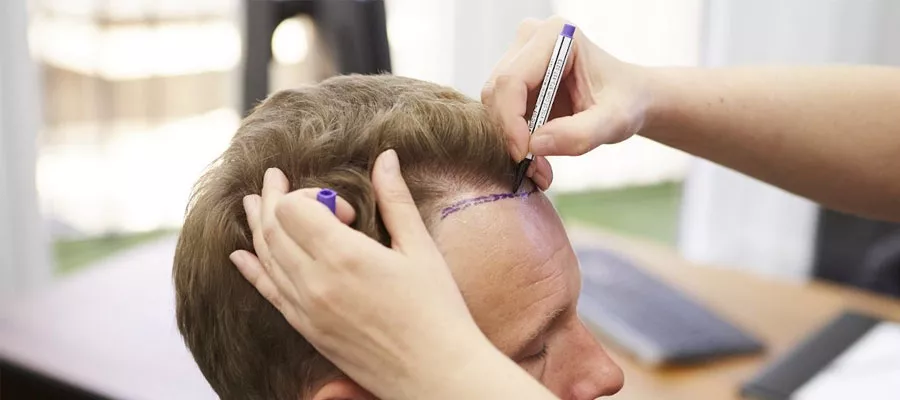
Manual FUE hair transplant is performed by carefully extracting hair follicles using a special hand tool and implanting them at natural angles.
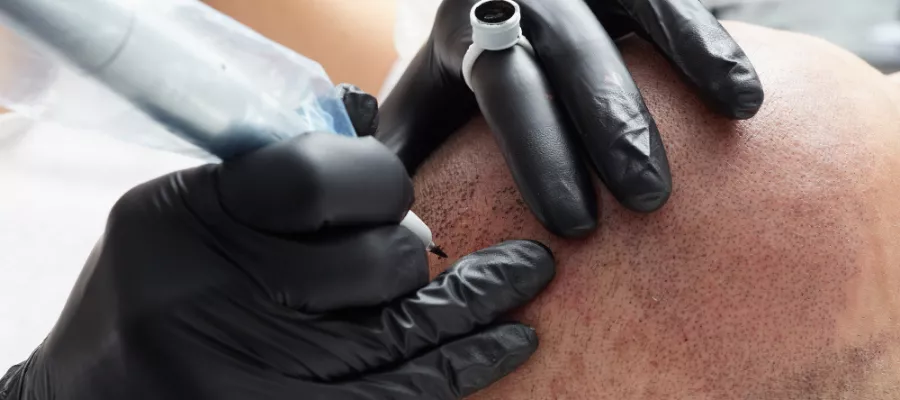
First, the donor area is numbed with local anesthesia. Then, the specialist extracts hair follicles one by one using a manual punch tool. Although this takes longer than motorized devices, grafts are less likely to be damaged. Collected grafts are kept in a special solution and then implanted into the thinning area according to natural hair directions. Both aesthetic concerns and graft quality are considered during the procedure. Manual FUE is very effective for procedures requiring fewer grafts.
What Does Manual FUE Mean?
Manual FUE is a version of the FUE technique where hair follicles are extracted manually using special punch tools without using a motor.
The manual version of the FUE (Follicular Unit Extraction) method provides a more controlled and gentle graft extraction process. Hair follicles are not removed with rotating motor movement but with precise hand-controlled techniques. This helps maintain graft health and provides a more natural appearance. Manual FUE stands out especially for people with thin hair strands and in aesthetic areas such as the hairline. When performed by highly skilled specialists, it provides very successful results. It is suitable for those who want natural and dense hair appearance.
Who Is Suitable?
Manual FUE hair transplant is suitable for individuals with thin hair strands, those who want natural results, and those who need a limited number of grafts.
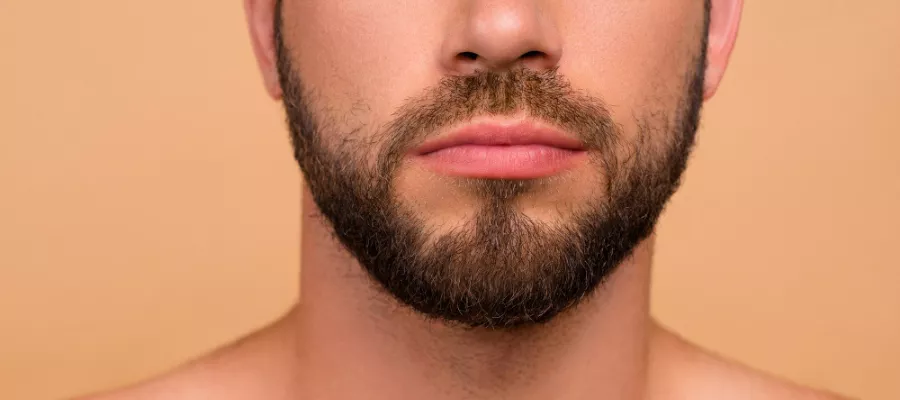
It is especially preferred in aesthetic areas such as the hairline, temples, eyebrows, and beard where grafts need to be placed individually. It is also advantageous for female patients as it allows a more delicate and shave-free approach. Healthy individuals with sufficient donor areas can achieve effective results with this method. For very large transplant areas, manual FUE may be time-consuming. However, in cases requiring high aesthetic precision, it provides a natural and symmetrical appearance.
Who Is Not Suitable?
Manual FUE is not suitable for individuals who need a very high number of grafts or want dense coverage over very large areas.
This method is time-consuming and may not be efficient for procedures requiring high graft numbers. It may also be more difficult to extract grafts in individuals with weak donor areas or very thick and dense hair. High hand skill from the doctor is required for manual technique. It may not be ideal for patients who want fast procedures or who are uncomfortable with long surgical sessions. Correct candidate selection is important for high-quality results.
Advantages and Disadvantages of Manual FUE
Manual FUE offers advantages such as natural appearance and low graft damage but has a longer procedure time.
Advantages include less tissue trauma, high graft quality, and the ability to create a natural hairline. It shows high success especially in thin hair strands and aesthetic areas. Disadvantages include longer procedure duration, high skill requirement, and higher cost. It is also limited in procedures requiring a very high number of grafts. It is ideal for those who want natural results but requires patience.
Graft Quality and Transection Rate: What to Expect in Manual FUE?
In Manual FUE, graft quality is usually high and follicle damage, known as transection rate, is generally low.
Since graft extraction is performed manually in a controlled way, follicles are exposed to less trauma. This increases graft survival and vitality. Especially in sensitive areas, single grafts can be extracted at correct angles, creating natural results. Transection rate is usually lower than motorized systems, reducing graft waste. Graft strength and correct placement directly affect transplant success. Maximum efficiency can be achieved when performed by experienced specialists.
Donor Area Management: Graft Extraction Without Visible Thinning
In Manual FUE, grafts are extracted evenly with careful planning to reduce thinning risk in the donor area.
Since grafts are extracted manually, equal distribution can be maintained across the donor area. Pressure can be adjusted according to skin structure, reducing tissue damage. Risk of visible scarring or density loss is minimized. This is especially important for women and men who prefer short hairstyles. Specialists use mapping techniques to protect natural donor density. This supports better aesthetic appearance after transplant.
How Long Does Manual FUE Hair Transplant Take?
Manual FUE hair transplant usually takes between 4 and 8 hours.
Procedure time depends on graft number and transplant area size. Since each graft is manually extracted and implanted, it takes longer than motorized techniques. In cases with fewer graft needs, the process may be shorter, while in large areas it may take a full day. Detailed planning is done before the procedure and expected duration is shared with the patient. Breaks and team coordination also affect total time. With good planning, a comfortable experience can be achieved.
Does Manual FUE Hurt?
No, manual FUE hair transplant is performed under local anesthesia, so pain is not felt during the procedure.
Local anesthesia numbs both donor and transplant areas, so the patient does not feel pain. Only mild pressure or discomfort may be felt during the procedure. After anesthesia wears off, mild sensitivity or tightness may occur but is usually short-term. Painkillers prescribed by the doctor can easily manage this period. Comfort expectations and pain sensitivity should be discussed before the procedure.
Recovery After Manual FUE
Recovery after Manual FUE usually completes within 7 to 10 days.
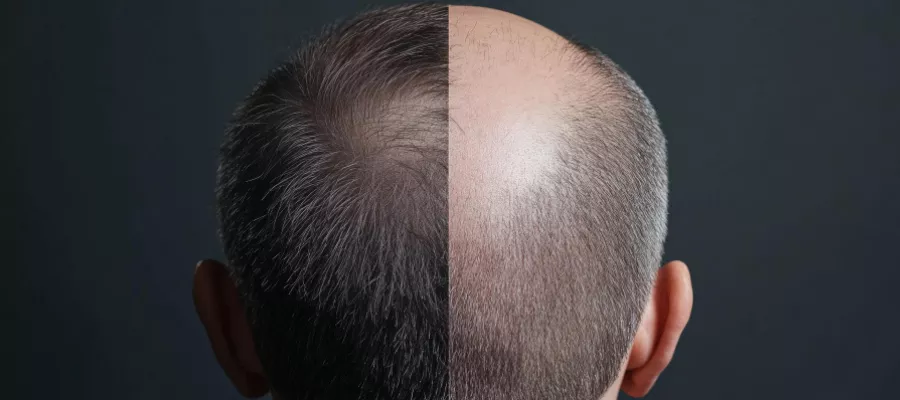
In the first days, scabbing, mild redness, and swelling may occur but are temporary. Gentle care for donor and transplant areas and use of recommended shampoo and lotion can speed recovery. Water contact should be avoided in the first 48 hours, then gentle washing can begin based on doctor instructions. Scabs usually fall off within 7–10 days and new hair growth begins in 3–4 months. Full results are usually seen within 10–12 months.
Manual FUE Hair Transplant Prices 2026
In 2026, Manual FUE hair transplant prices generally range between 30,000 TL and 70,000 TL.
Frequently Asked Questions
Can the Operation Be Divided Into Two Days and Does It Provide an Advantage?
Manual FUE hair transplant can be divided into two days if needed and this may increase comfort.
Especially in cases requiring high graft numbers, dividing the procedure into two days reduces fatigue for both doctor and patient. It allows more precise graft extraction and placement. It may also reduce skin irritation and support easier recovery. Planning must be done carefully and the gap should not exceed 24 hours. This method is often recommended for large transplant areas.
In Which People Is “Dot White Scarring” More Visible in the Donor Area?
Dot white scarring may be more visible in people with fair skin and dark hair.
It may also be more noticeable in people with thin skin, low pigmentation, or those who had dense graft extraction. Excessive extraction by inexperienced practitioners can increase dot scarring. With correct technique and balanced distribution, this risk can be reduced. In most cases, when hair grows longer, these marks become less visible. Proper donor planning is critical for long-term aesthetics.
Is Temporary Shock Loss in the Donor Area More Common in Manual FUE?
No, since grafts are extracted more delicately in Manual FUE, donor shock loss is usually less common.
Compared to motorized systems, manual technique creates less trauma and protects supporting tissue around follicles. This reduces temporary shedding risk. However, every hair structure is different and stress-related shedding may occur in some people. If shock loss occurs, hair usually regrows within 2–3 months. Correct technique and care shorten this period. It does not cause permanent hair loss.
How Long Does Numbness or Tingling Last After Manual FUE?
Numbness or tingling after Manual FUE usually resolves completely within 2 to 6 weeks.
This feeling occurs due to local anesthesia and mild nerve sensitivity. In most cases it is temporary and part of normal healing. Rarely it may last a few months but is not permanent. Massage and vitamin support recommended by the doctor may help recovery. If it continues longer, medical consultation is recommended.
Does Having Manual FUE in Summer Affect Results and How Should Sun Protection Be Done?
Manual FUE can be done in summer but direct sun exposure must be avoided for at least the first 2 weeks.
Since the skin is more sensitive after transplant, sun exposure may cause pigmentation, dryness, and delayed healing. Wearing a wide-brim hat and using SPF 50+ sunscreen with doctor advice may be needed. Sea and pool environments should be avoided for at least 2 weeks due to infection risk. Careful aftercare in summer helps improve success rate. Sun protection is important for natural and long-lasting results.
What Are Practical Sleep Tips for People Who Sleep Face Down?
People who sleep face down should use a neck pillow and sleep on their back with head elevated during the first week after Manual FUE.
Contact between transplanted area and pillow may damage grafts, so sleeping position is important. Travel neck pillows can help stabilize the head. If side sleeping reflex occurs, placing pillows on both sides can help stabilize position. Sleeping with a high pillow during the first 7 days helps reduce swelling and improves comfort. Ignoring sleep precautions may cause graft loss. These measures are important for transplant success.
Can I Understand Early If a Graft Did Not Survive or Should I Wait?
It is difficult to understand early if a graft survived; you usually need to wait several months for clear results.
Even if grafts appear in place during the first weeks, survival becomes clear during the healing process under the skin. Shock shedding may occur in the first 1–2 months and this is normal. New hair usually starts growing from the 3rd month and becomes clearer by the 6th month. Final results appear by the 12th month. Early panic should be avoided and follow-up visits should be continued. Patience is an important part of successful hair transplant.