
What Is an Unshaven Hair Transplant?
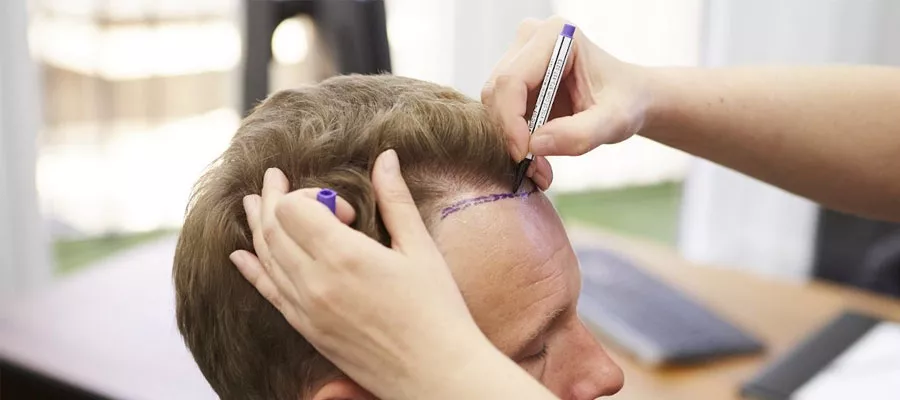
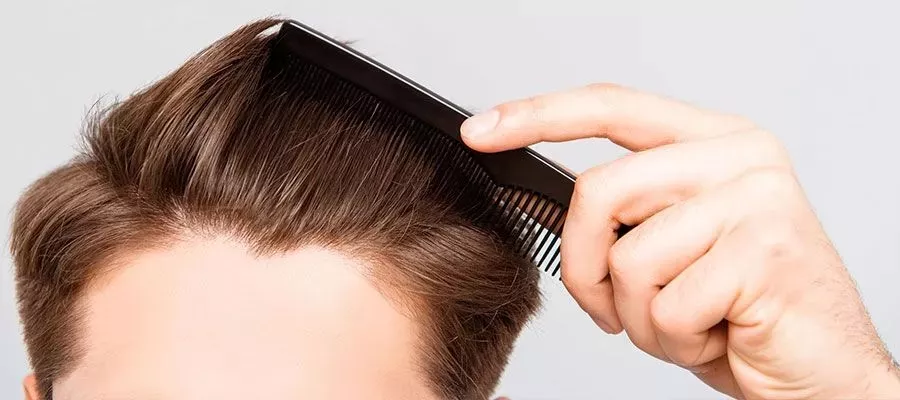
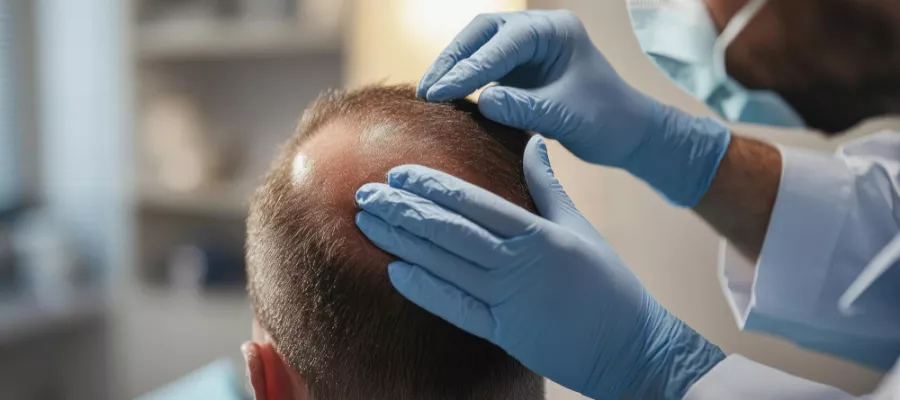
An unshaven hair transplant is a hair transplant method performed without cutting the hair, allowing the procedure to be done without aesthetic concerns. In this method, grafts are transplanted into selected areas without shaving the recipient area. It is especially preferred by women and by men who do not want an interruption in their social life. It is performed with the FUE technique and provides natural-looking results. Thanks to the unshaven procedure, the person’s existing hair structure is preserved and the outward appearance is not affected. The recovery process after the operation is similar to a classic transplant. Its popularity is increasing day by day because it allows a quick return to daily life. However, it is preferred when a limited number of grafts are needed.
Who Is an Unshaven Hair Transplant Suitable For?
An unshaven hair transplant is suitable for people who do not want to cut their hair and who have localized thinning. Those with hair loss limited to specific areas benefit the most from this method. It is an ideal option for female patients, people with a busy work life, or individuals with aesthetic concerns. The unshaven technique is applied more successfully when hair length is 6 cm or longer. It is preferred for patients who need a small number of grafts. Results look more natural in people with thick and healthy hair. However, this method may be insufficient for large bald areas.
Who Is Not Suitable For an Unshaven Hair Transplant?
An unshaven hair transplant is not suitable for people with advanced hair loss who require a high number of grafts. Since this method is generally applied to limited areas, it does not provide effective results for large openings. In individuals with very short hair, the donor area cannot be concealed and the procedure may cause aesthetic issues. In addition, unshaven transplantation is not recommended for people with wounds, skin diseases, or severe thinning on the scalp. When a large number of grafts must be taken, partial shaving of the donor area may be required. Suitable candidates should be determined through a detailed medical evaluation.
How Is an Unshaven Hair Transplant Performed?
An unshaven hair transplant is performed by transferring grafts to specific areas without cutting the hair, using the FUE or DHI technique. Grafts are extracted one by one from the donor area with a micromotor and carefully placed into the recipient area. Longer hair helps conceal the graft sites during the procedure. It is generally preferred for patients with localized hair loss. The operation is performed under local anesthesia, and patients can be discharged the same day. The recovery process is fast, and the risk of scarring is low. A natural look is preserved, and a quicker return to daily life is achieved. This method is suitable for individuals with social and aesthetic concerns.
What Are the Unshaven Hair Transplant Methods?
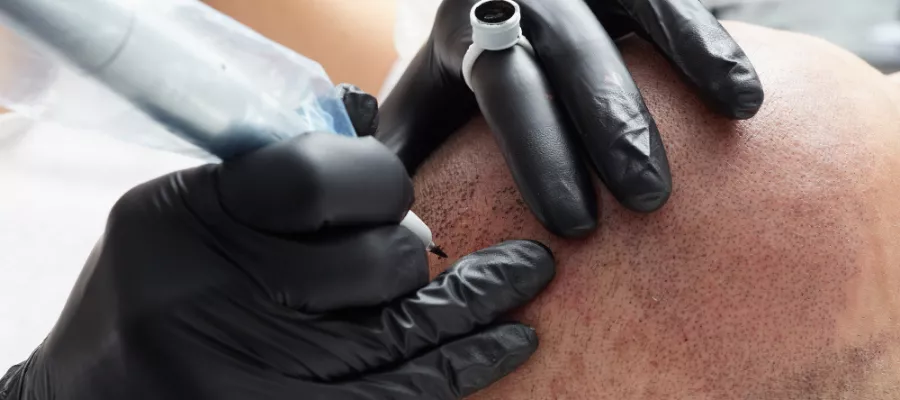
Unshaven hair transplant includes modern methods that can be applied with FUE and DHI techniques. In unshaven FUE, a small part of the donor area is shaved while the recipient area remains fully unshaven. In the unshaven DHI technique, grafts are implanted directly using special pens. Since this method does not require fully cutting the hair, it preserves overall visual integrity. A natural hair appearance is targeted in both techniques. The method to be chosen is determined by the type of hair loss, hair structure, and graft requirement. DHI is more frequently preferred, especially for patients who need fewer grafts.
Unshaven Hair Transplant: FUE or DHI?
In unshaven hair transplant, the DHI method is generally more suitable because it provides more controlled implantation in small areas. Since grafts are implanted directly with special pens in the DHI technique, the procedure can be performed without cutting the hair. This is an advantage especially for the hairline and small thinning areas. However, unshaven transplantation is also possible with the FUE technique, where only a small portion of the donor area is shaved. Which method is preferred depends on hair density, the size of the area, and the patient’s expectations. Both methods provide natural results, but DHI can offer a more aesthetic result and faster recovery.
Differences Between Unshaven and Shaven Hair Transplant
An unshaven hair transplant is performed without cutting the hair, while a shaven hair transplant is done by shortening all hair. With the unshaven method, patients can return to social life faster without experiencing aesthetic concerns. In shaven transplantation, more grafts can be harvested because the donor area is shaved more widely. The unshaven technique is generally suitable for small areas, whereas the shaven method is preferred for extensive hair loss. Recovery time is shorter with the unshaven method and the appearance remains more natural. Both methods have high success rates, but the choice should be based on the patient’s needs.
Advantages of an Unshaven Hair Transplant
An unshaven hair transplant is a comfortable method that allows hair transplantation without disturbing aesthetic appearance. With this method, the procedure can be done without taking a break from social life. Since the hair is not cut, changes are not noticeable after the operation. It is ideal for women and for men who care about their appearance. Recovery is faster and it offers privacy advantages. Natural results are achieved especially in limited thinning areas. It is comfortable because it is performed under local anesthesia. Since it enables a quick return to daily life, there is no loss of work time. It provides great convenience for individuals with aesthetic concerns.
Disadvantages of an Unshaven Hair Transplant
An unshaven hair transplant may be insufficient for large bald areas because a limited number of grafts can be implanted. Since the procedure is performed without cutting the hair, graft extraction and implantation take longer. As the process becomes more challenging, the operation time may increase. In addition, the cost may be higher than a shaven transplant. Since it requires high skill and experience, success rates may not be the same in every clinic. Because hair length can make the procedure more difficult, desired density may not be achieved in some cases. It may not provide effective results for people with heavy hair loss, and a repeat session may be needed.
How Long Does an Unshaven Hair Transplant Take?
An unshaven hair transplant takes an average of 6 to 10 hours, depending on the number of grafts. Since graft harvesting from the donor area is done more carefully and slowly, the duration may be longer than a classic hair transplant. Especially long hair requires more attention during the procedure and may take more time. If the DHI method is preferred, the duration may be slightly longer. The session is usually completed in one day, but in some cases it may extend over 2 days. The procedure time is determined with personalized planning, and the doctor’s experience directly affects the duration.
How Many Grafts Can Be Done in an Unshaven Hair Transplant?
In an unshaven hair transplant, an application of approximately 1000 to 2500 grafts can usually be performed. This number varies depending on the size of the hair loss area, donor hair density, and the technique chosen. When the DHI method is used, effective results can be achieved with fewer grafts. Since this method may be insufficient for wide openings, it is ideal for cases that require a limited number of grafts. Because the donor area is not fully shaved, graft collection takes longer and a limited number can be applied. For intensive hair loss, the classic shaven method should be preferred.
Unshaven Hair Transplant for Women
An unshaven hair transplant for women is an aesthetic-focused hair transplant method performed without cutting the hair. Hair length and maintaining appearance are especially important for women. With this method, grafts are transferred to thinning areas without disrupting the natural state of the hair. It can be performed with either FUE or DHI techniques, and hair naturalness is preserved. In women, it is generally suitable for small openings or thinning areas. Unshaven transplantation protects social appearance without disrupting daily life. In large-area hair loss, a shaven transplant may sometimes be preferred. It is planned according to women’s aesthetic expectations, with a natural result as the goal.
Does an Unshaven Hair Transplant Look Natural?
An unshaven hair transplant provides a very natural appearance when performed correctly. Grafts are implanted only into the thinning area without cutting the hair. In this way, the person’s hair structure and length are preserved. The unshaven technique provides aesthetic integrity in the hairline and sparse areas. Unshaven procedures performed with FUE or DHI methods preserve hair direction and angle. After an unshaven transplant, newly growing hairs blend well with surrounding hair. It is preferred especially by individuals who do not want a short haircut or who prioritize visibility in social life. With proper planning, results look intuitive and natural.
Is an Unshaven Hair Transplant Permanent?
An unshaven hair transplant provides permanent results with proper graft placement and a good donor area selection. Transplanted grafts take root in the scalp and continue to grow in the long term. The only difference in an unshaven transplant is that it is performed without cutting the hair; the biological lifespan of the follicles is the same as in a shaven transplant. Early growth is usually seen within 3–4 months, and full results become clear in 8–12 months. Permanent outcomes are related to hair structure, genetic factors, and the doctor’s experience. With regular care and follow-up, transplanted hair can provide a permanent and natural appearance for many years.
Unshaven Hair Transplant Prices 2026
Unshaven hair transplant prices in 2026 may vary between 40,000 TL and 120,000 TL depending on the technique used and the number of grafts.
Frequently Asked Questions
Is an Unshaven Hair Transplant Truly Not Noticeable?
An unshaven hair transplant is generally not noticed by others because the hair is not cut. Since existing hair covers the transplanted area, the outward appearance is largely preserved. Although mild redness or scabbing may occur, the hair hides it. Especially in people with long hair, the appearance remains natural after the procedure. However, it may be slightly noticeable in individuals with very short hair. It offers a major advantage for those who want a hair transplant without stepping away from social life. With the right technique, healing can progress without drawing attention.
When Can Hair Be Washed After an Unshaven Hair Transplant?
After an unshaven hair transplant, hair can usually be washed for the first time 48 to 72 hours later. The first wash is generally performed at the clinic under specialist supervision. Special lotions and shampoos are used and applied with gentle movements. For the following 10 days, hair should be cleaned daily with the recommended care products. The care routine should not be neglected to reduce scabbing and sensitivity. Hard rubbing or contact with fingernails should never be done. With proper care, the healing process accelerates and the graft survival rate increases.
Does Shock Loss Occur After an Unshaven Hair Transplant?
Shock loss after an unshaven hair transplant is quite common and is a normal process. Shock loss is the temporary shedding of hair around the transplanted grafts along with existing hairs. This usually occurs within 2–6 weeks after the procedure. Since the follicles remain in the scalp, the shed hairs begin to grow again within 2–3 months. Shock loss does not mean permanent hair loss. Stress, genetic structure, and the care routine can affect the severity of this process. Patience is important, and recommended care steps should be followed carefully.
Will the Transplanted Hair Fall Out After an Unshaven Hair Transplant?
After an unshaven hair transplant, transplanted hairs may shed in the early stage, but this is temporary. During the shock loss phase, the hair shafts emerging from the grafts may shed, but the follicles remain in the skin. After this process, hair begins to grow again from the 3rd month. Noticeable results are seen at the 6th month, and final results are achieved at the 12th month. Since transplanted grafts preserve the genetic characteristics of the donor area, they are generally permanent. After shedding, the new hair grows stronger and thicker. This is a natural part of the process and should not be a cause for concern.
Does Scabbing Occur After an Unshaven Hair Transplant?
Scabbing after an unshaven hair transplant is a natural part of the healing process. Small scabs may form in the transplanted area and this usually resolves within 7–10 days. Scabs are formed by the body to support healing and protect the skin. During this period, scabs should never be picked off by hand to avoid damage to the scalp. With the recommended washing and moisturizing products, scabs gradually fall off on their own. Once scabbing is complete, hair follicles begin to grow in a healthier way.
Is It Normal to Have Itching After an Unshaven Hair Transplant?
Itching after an unshaven hair transplant is common during healing and is generally considered normal. Itching occurs during skin renewal and the stage when scabs fall off. This can be noticeable especially in the first 1–2 weeks. However, if itching becomes severe and persistent, it may be a sign of infection, and specialist advice should be sought. To reduce itching, moisturizing lotions recommended by the doctor and gentle washing routines can be used. The scalp should never be scratched with fingernails and should be handled gently.
When Can You Exercise After an Unshaven Hair Transplant?
After an unshaven hair transplant, light exercises can usually be started after 10 days, while intense sports should be avoided for 3–4 weeks. Sweating, head trauma, and activities requiring heavy effort can negatively affect graft survival. In the first week, all sports with a risk of impact to the head should be avoided. Low-intensity activities such as yoga or light walking can be done in a controlled way. Scalp cleanliness after exercise is important. Following the time period recommended by the doctor both speeds up healing and prevents damage to the transplanted hair.
Can You Swim in the Sea or Pool After an Unshaven Hair Transplant?
Swimming in the sea or pool after an unshaven hair transplant is not recommended for the first 3–4 weeks. Sea water, chlorine, and pool chemicals can irritate the scalp, increase infection risk, and negatively affect graft survival. After the healing process is complete and there is no scabbing or redness, swimming can be done safely. In general, entering the sea or pool can be considered after 1 month in a controlled way. However, the doctor’s recommendations must be followed and the scalp should be protected. Sun protection is also important during this period.